







What's Happening?
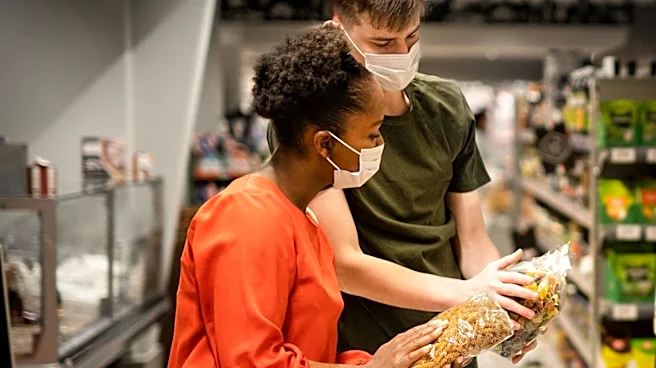
Americans are adapting their grocery shopping habits in response to the largest price increase in 50 years. The cost of groceries has risen by 33% since 2019, driven by factors such as the COVID-19 pandemic, supply chain disruptions, and geopolitical
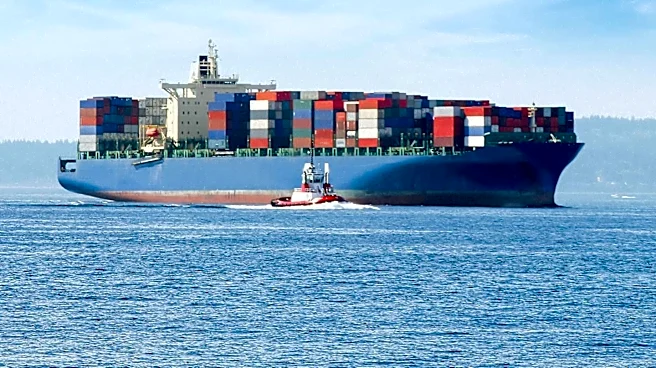
tensions. Consumers are increasingly turning to couponing, comparison shopping, and cutting back on non-essential items to manage their budgets. The price hikes have been exacerbated by natural disasters, tariffs, and the ongoing conflict in Ukraine, which have affected production and supply chains. Despite a slight increase in average weekly earnings, many Americans feel the financial strain as other living costs, such as housing and utilities, have also risen.
Why It's Important?
The significant rise in grocery prices is impacting American households, particularly those with lower incomes who spend a larger portion of their earnings on food. This economic pressure is influencing consumer behavior, with many opting for cheaper alternatives and relying on food banks. The issue has become a focal point in political discussions, especially with upcoming midterm elections, as affordability and economic stability are key voter concerns. The situation highlights the vulnerability of supply chains to global events and the need for policies that address food security and inflation.
What's Next?
As food prices continue to rise, consumers may further alter their shopping habits, potentially affecting retail and food industries. Policymakers might face increased pressure to implement measures that stabilize prices and support low-income families. The ongoing geopolitical tensions and climate-related disruptions could continue to influence food costs, prompting discussions on sustainable agriculture and trade policies.