


What's Happening?
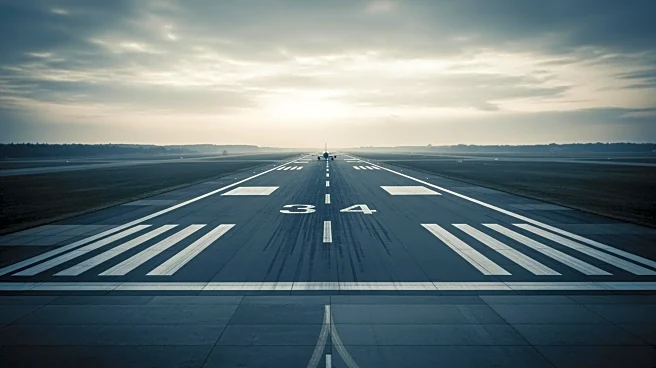
Iran temporarily closed its airspace to most flights on Wednesday, causing significant disruptions as airlines were forced to cancel, reroute, or delay flights. This decision was made amid escalating concerns about potential military actions involving
the United States. The closure was initially announced through a notice by the U.S. Federal Aviation Administration, indicating that the airspace would be closed to all flights except those with official permission to and from Iran. The closure began at 5:15 p.m. ET and was expected to last until 7:30 p.m. ET but was later extended until 10:30 p.m. ET. During this period, Iranian airspace was largely devoid of civilian aircraft, with the exception of a Mahan Air flight from Shenzhen, China, to Tehran.
Why It's Important?
The temporary closure of Iranian airspace highlights the heightened tensions between Iran and the United States, which have significant implications for international travel and regional stability. The disruption of flights underscores the potential for broader economic impacts, as airlines and passengers face delays and increased costs. This situation also reflects the fragile geopolitical climate in the region, where military actions or threats thereof can quickly escalate into broader conflicts. The closure serves as a reminder of the interconnectedness of global air travel and the vulnerabilities that arise from geopolitical tensions.
What's Next?
As tensions remain high, airlines and passengers may need to prepare for further disruptions. The international community will likely monitor the situation closely, with diplomatic efforts potentially being made to de-escalate tensions. Airlines may need to adjust their routes and schedules to avoid Iranian airspace, leading to longer travel times and increased operational costs. Additionally, governments and international organizations may engage in discussions to ensure the safety and security of air travel in the region.