


What's Happening?
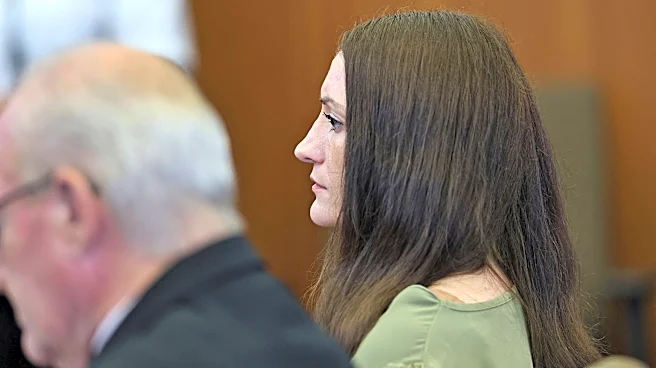
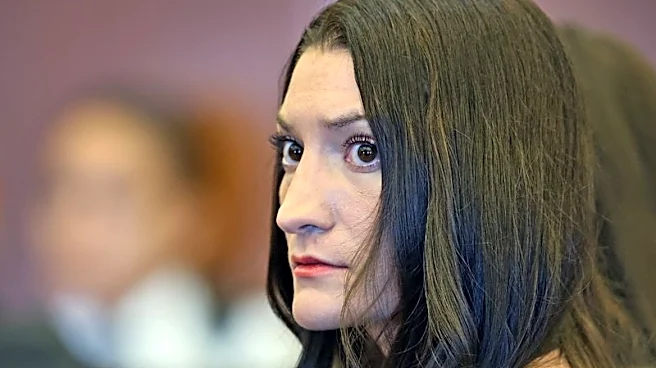
Joaquín 'El Chapo' Guzmán, currently serving a life sentence in a maximum-security U.S. prison, may soon have the opportunity to communicate with his wife, Emma Coronel, after nearly a decade of no direct contact. Mariel Colón, a member of Guzmán's legal
defense team, announced plans to submit a petition to U.S. penitentiary authorities to allow supervised phone calls between the couple. This development follows the completion of Emma Coronel's probation period in the United States, a factor that previously hindered such requests. Guzmán has been subject to Special Administrative Measures (SAMs) since his extradition in January 2017, severely limiting his communication with individuals outside his legal team and authorized family members. Currently, he is permitted only two 15-minute phone calls per month, exclusively with his twin daughters, María Joaquina and Emali Guadalupe. The legal team aims to explore this possibility to re-establish contact under monitored conditions.
Why It's Important?
This potential change in communication restrictions for Joaquín 'El Chapo' Guzmán carries significant implications within the U.S. correctional system and for the public perception of high-profile inmates. The strict SAMs imposed on Guzmán are designed to prevent him from continuing to direct criminal activities or exert influence from prison. Any modification to these measures, even for supervised calls, could set a precedent or at least open a discussion about the balance between security protocols and an inmate's right to family contact. For U.S. law enforcement and correctional authorities, the decision will involve carefully weighing security risks against humanitarian considerations. If approved, it could be seen as a slight easing of the exceptionally stringent conditions typically applied to individuals deemed extreme security risks, potentially influencing future cases involving high-value targets. Conversely, denying the request would reinforce the U.S. government's commitment to maintaining maximum control over such inmates.
What's Next?
Guzmán's legal team, led by Mariel Colón, plans to formally submit the petition to U.S. penitentiary authorities. The process will involve a review by these authorities, who will assess the request against existing security protocols and the conditions of Guzmán's incarceration under SAMs. The outcome will depend on whether U.S. authorities are willing to modify the current communication restrictions, even with the assurance of supervision. If the request is approved, the calls would be strictly monitored, and the frequency and duration would likely be determined by the prison administration. If denied, Guzmán's legal team may explore further legal avenues to challenge the decision, potentially leading to appeals within the U.S. judicial system. The decision will also be closely watched by the public and media, given Guzmán's notoriety and the ongoing interest in his incarceration.
Beyond the Headlines
The discussion around 'El Chapo' Guzmán's communication rights extends beyond mere legal procedure, touching upon broader ethical and human rights considerations within the U.S. penal system. While the severity of his crimes warrants extreme security measures, the prolonged isolation and limited contact with family raise questions about the psychological impact on inmates and the balance between punishment and rehabilitation. The fact that Emma Coronel has completed her probation might be a key factor, as her previous legal status could have been an impediment. This case highlights the complexities of managing high-profile inmates, where security concerns often clash with the fundamental right to family life. The outcome could influence how the U.S. correctional system approaches communication policies for other inmates under similar restrictive conditions, potentially sparking debates on the long-term effects of extreme isolation and the evolving standards of inmate welfare.