
What's Happening?
Farmers in the Parksville Qualicum Beach area of Vancouver Island are urging the BC Conservation Officer Service (BCCOS) to take more decisive action following a series of livestock killings attributed
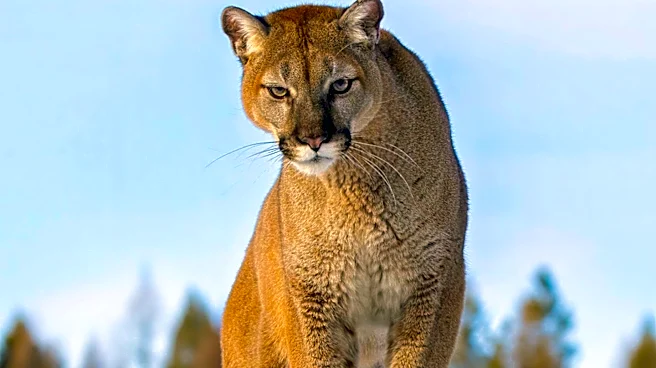
to one or more cougars. Over 30 animals, including geese, turkeys, ducks, and goats, have been killed across five farms since August. Most recently, three geese were killed on Billy and Garrett Jolicoeur’s farm on September 28. The Jolicoeurs reported finding one goose eaten, another with a broken neck and puncture wounds consistent with a cougar kill, and a third partially buried, a known cougar sign. They also noted distinctive 'chirping' sounds from the animal. Another farm reported 11 turkeys, five ducks, and one house cat killed in August, with witnesses claiming to have seen three cougars, including an injured adult and two juveniles. The farmers believe the cougar's abnormal behavior of killing more prey than it consumes is due to an injury. Despite calls to the BCCOS, farmers express concern over the response time and perceived lack of immediate intervention, especially given the proximity of a 'kill site' to children's play areas.
Why It's Important?
This situation highlights the escalating human-wildlife conflict in agricultural communities, particularly concerning apex predators like cougars. The economic impact on farmers, who rely on their livestock for livelihood, is significant, with over 30 animals lost. Beyond the immediate financial losses, the emotional toll on farmers dealing with repeated attacks and the perceived inadequacy of official responses can be substantial. The incident also raises questions about public safety, especially with cougar activity near residential areas and children. The BCCOS's stance, emphasizing farmer responsibility for protective measures like electric fences and securing animals, underscores a broader policy challenge: balancing wildlife conservation with agricultural interests and human safety. The farmers' frustration with the response time and the perceived lack of urgency from authorities could erode trust in wildlife management agencies, potentially leading to increased calls for more aggressive intervention or, conversely, a greater push for community-led solutions.
What's Next?
The BC Conservation Officer Service has stated it will continue to monitor cougar activity in the area and respond as necessary to ensure public safety and property protection. However, the Jolicoeurs and other affected farmers are likely to continue advocating for more direct and immediate intervention, especially if further livestock killings occur. The BCCOS's current guidance places the onus on farmers to implement preventative measures such as installing electric fences and securing animals overnight. This suggests that the immediate next steps will involve farmers enhancing their protective infrastructure while the BCCOS maintains a monitoring role. The ongoing situation could lead to increased public debate regarding wildlife management policies, particularly concerning injured or habituated predators in proximity to human settlements. Community meetings or further engagement between farmers and the BCCOS might be necessary to address concerns and develop more effective co-existence strategies. The potential for the cougar to become more habituated or aggressive, especially if injured, remains a significant concern for residents.
Beyond the Headlines
This incident delves into the complex ethical and practical challenges of coexisting with wildlife in increasingly encroached natural habitats. The farmers' belief that the cougar's unusual killing behavior stems from an injury introduces a moral dilemma: should an injured wild animal be allowed to continue preying on domestic animals, or should intervention prioritize human and livestock safety? This situation also exposes potential gaps in rapid response protocols for wildlife emergencies, particularly when there's a perceived threat to both property and human life. The reliance on farmers to implement preventative measures, while understandable from a resource perspective, may not always be sufficient or feasible for all agricultural operations. This could lead to a broader discussion about government support for wildlife-proofing infrastructure in high-risk areas. Furthermore, the incident highlights the psychological impact on residents living in areas with active predators, fostering a sense of vulnerability and helplessness when official responses are deemed insufficient. It underscores the need for comprehensive, community-inclusive strategies that address both wildlife conservation and human safety concerns.