






What's Happening?
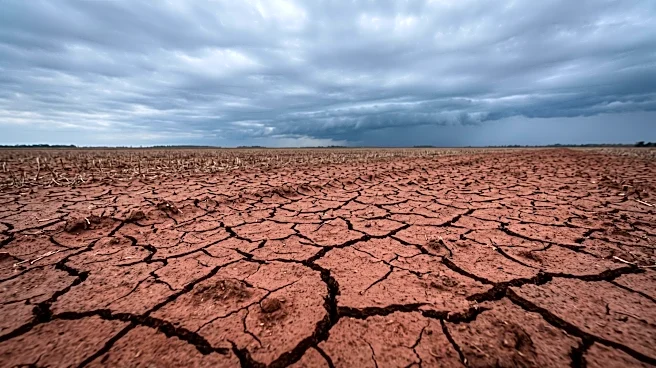
South Dakota is experiencing significant water shortages due to a combination of persistent drought conditions and increased water usage across residential, commercial, and agricultural sectors. Scientific data indicates that many underground aquifers
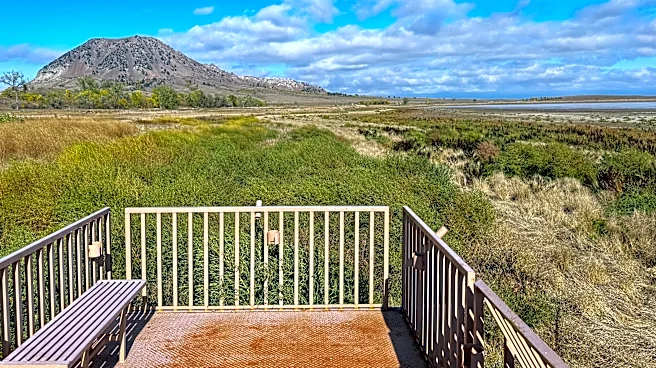
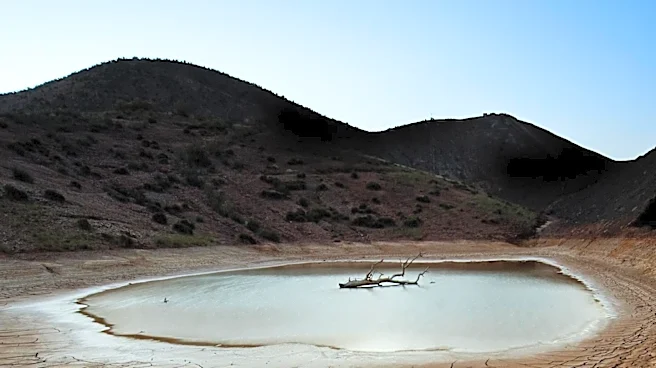
are declining, with reduced water pressure and lower volumes. This is visibly evident in areas like Bear Butte State Park, where the central lake, typically a 215-acre expanse, has nearly dried up, leaving only a small strip of surface water. Wells in rural ranches and homesteads in the western part of the state are also running low or dry. In eastern South Dakota, rural water systems are unable to take on new customers because their reliant aquifers are either drying up or fully committed. Even with some areas receiving high rainfall, the overall low water levels are causing statewide concern, affecting major aquifers like the Big Sioux Aquifer.
Why It's Important?
The escalating water crisis in South Dakota poses a severe threat to the state's economy, environment, and future growth. The decline in aquifer levels and surface water bodies directly impacts agriculture, a cornerstone of the state's economy, by limiting irrigation and livestock water sources. Residential and commercial development is also hampered, as new customers cannot be accommodated by strained water systems. The environmental impact is significant, with ecosystems like Bear Butte Lake suffering, affecting wildlife and natural habitats. State Senator Helene Duhamel highlighted that water concerns are driving discussions for new water project proposals, including expanding existing systems and potentially building a Missouri River pipeline to the Black Hills region. The issue is seen as a nonpartisan concern, with lawmakers recognizing the necessity of investing in water resources for the state's future economic development and the well-being of its residents.
What's Next?
Legislative action is anticipated to address South Dakota's water crisis. State Senator Helene Duhamel, who has been instrumental in seeking new water sources, expects a significant effort during the 2027 legislative session to secure funding for water projects. This includes potentially appropriating more money into the Water Infrastructure Development Fund, which was established in 2026 with $3 million. Sources for additional funding could include the contractor’s excise tax or unclaimed property. Lawmakers are being urged to recognize the urgency of the problem, with a focus on long-term solutions rather than short-term fixes. Until new pipeline projects are operational, water experts are advocating for greater water conservation and reuse efforts to protect existing supplies. Public comment is also being accepted on proposals like the Dewey-Burdock uranium mining project, which would use billions of gallons of water annually, raising further concerns about water usage.
Beyond the Headlines
The water scarcity in South Dakota reflects a broader national challenge concerning resource management, climate change, and population growth. The over-reliance on aquifers, particularly the Ogallala Aquifer which supplies a third of the nation's irrigation water, is leading to unsustainable depletion rates. The 'race to pump' mentality, driven by economic pressures and a lack of comprehensive regulation, exacerbates the problem, leading to resource capture and overexploitation. The situation also highlights the interconnectedness of water resources, where the Black Hills region's water levels impact areas as far east as the Missouri River. The long-term implications include potential large-scale displacement, loss of livelihoods, and an unprecedented humanitarian and economic cost if proactive measures are not taken. The crisis underscores the need for integrated water management strategies that consider environmental sustainability, equitable access, and the impacts of climate change.