





What's Happening?
A recent Consumer Reports poll of 2,003 U.S. adults indicates that 80% of Americans who have lived in the same home for at least three years have experienced an increase in their electricity bills. Among those affected, 28% reported increases between
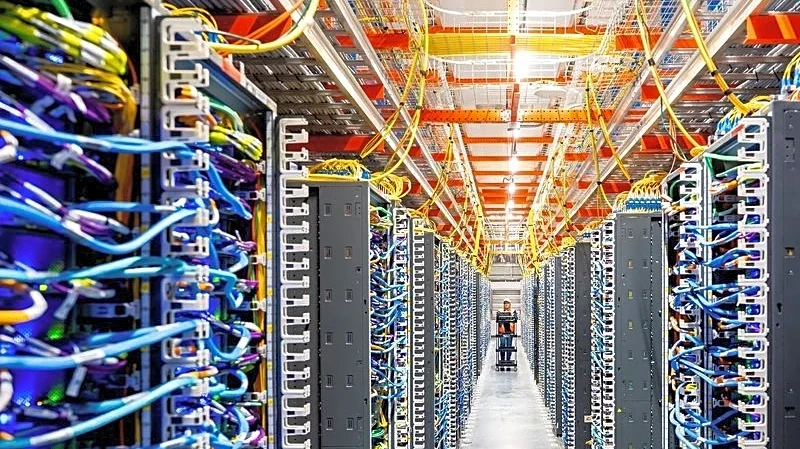
20% and 49%. This surge in costs has led to significant financial strain for approximately three-quarters of those whose bills rose, with lower-income households (earning under $85,000 annually) being more than twice as likely to report severe financial hardship. The survey also found that about one in five Americans has cut grocery budgets or switched to cheaper food options to afford electricity, while one in four has reduced heating or air conditioning to uncomfortable levels. Americans largely attribute these higher bills to utility company profits and the rapid expansion of data centers and AI systems. Federal data shows that electricity costs across major U.S. cities have climbed 14% over the past three years.
Why It's Important?
The findings highlight a growing affordability crisis for U.S. households, particularly impacting lower and middle-income families who are forced to make difficult trade-offs between essential needs like food and energy. The public's distrust in state utility regulators, who are perceived as not protecting consumer interests, underscores a broader concern about accountability in the energy sector. With U.S. electricity demand projected to grow 16% by 2029, largely due to data centers, the pressure on residential consumers is expected to intensify. This situation could lead to increased demand for government assistance programs like LIHEAP, even from households that traditionally wouldn't qualify, further straining public resources. The issue also has political implications, as rising utility bills, alongside food and gas prices, are significant concerns for voters in battleground states.
What's Next?
Consumer Reports is launching a new initiative called 'Power Smarter,' which includes a 'CR Bill Decoder' tool. This tool will allow consumers to submit their electricity bills, which Consumer Reports will anonymize and aggregate to analyze pricing trends at national and state levels. The organization plans to use this data to advocate for lower costs and hold the energy system accountable for what it describes as unfair cost-shifting to residential customers. This initiative aims to empower consumers with information and provide a platform for advocacy. Additionally, the ongoing growth of data centers and AI systems suggests that electricity demand will continue to rise, potentially leading to further bill increases unless significant policy changes or technological advancements in energy efficiency and generation are implemented.
Beyond the Headlines
The survey results point to a deeper societal challenge where essential services, like electricity, are becoming increasingly unaffordable for a significant portion of the population. The blame placed on utility company profits and the energy consumption of data centers raises questions about the equitable distribution of costs associated with technological advancement and corporate operations. The fact that utility companies often operate as monopolies, leaving consumers with no alternative providers, highlights a systemic issue in market regulation and consumer protection. This situation could exacerbate economic inequality, as lower-income households bear a disproportionate burden, potentially leading to broader social and economic instability if not addressed through policy interventions that prioritize consumer welfare and sustainable energy practices.