







What's Happening?
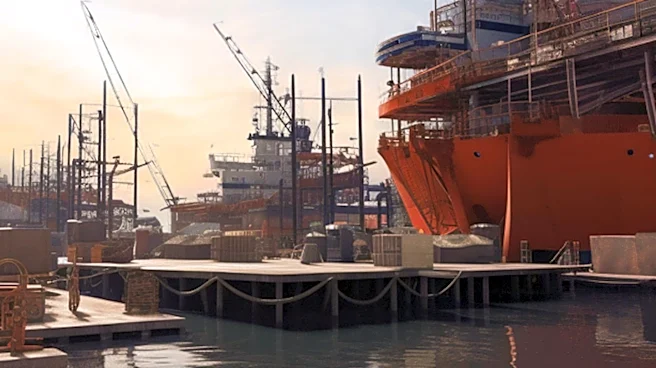
The U.S. Navy's ambitious Shipyard Infrastructure Optimization Program (SIOP), designed to modernize its four shipyards, is projected to take up to 50 years and cost over $200 billion, according to a new report from the Government Accountability Office
(GAO). The SIOP, initiated in 2018, aims to upgrade and replace outdated infrastructure and equipment at naval shipyards located in Pearl Harbor, Hawaii; Norfolk, Virginia; Puget Sound, Washington; and Kittery, Maine. These shipyards are critical for maintaining the operational readiness of the Navy's fleet, particularly its aircraft carriers and submarines. The GAO report, titled “Naval Shipyards: Complete Information Needed for Decision-Making on Multibillion-Dollar, 50-Year Infrastructure Program,” highlights that the program's cost has significantly increased since its inception. Furthermore, the GAO found a lack of established plans for regular reviews of the program's progress, raising concerns about potential further cost escalations and new challenges.
Why It's Important?
This report underscores significant challenges for U.S. national security and defense capabilities. The Navy's shipyards are essential for the maintenance and repair of its warships, directly impacting the fleet's ability to deploy and operate effectively. Delays and cost overruns in modernizing these facilities could compromise the Navy's operational readiness, particularly in an era of increasing global maritime competition. The lack of periodic reviews, as identified by the GAO, means the Navy risks making substantial long-term investments that may not align with its evolving future fleet needs. This could lead to inefficient allocation of taxpayer dollars and a failure to adequately support future warfighting requirements. The report also points to broader issues within Navy shipbuilding efforts, which have struggled to grow the fleet despite significant budget increases, partly due to limited shipyard capacity and workforce shortages.
What's Next?
The GAO has issued three recommendations to the Navy to address the identified shortcomings. These include establishing specific oversight steps, such as periodic evaluations, and improving the documentation of key program organizations and their responsibilities. The Navy will need to respond to these recommendations and implement a more robust oversight framework for the SIOP. Without these changes, the program faces continued risks of escalating costs and prolonged timelines, potentially impacting the long-term readiness of the U.S. naval fleet. Future developments will likely involve the Navy outlining how it plans to incorporate these reviews into key decision points to reassess the underlying business case, affordability, and sustainability of the SIOP, ensuring that investments align with future strategic needs.
Beyond the Headlines
The challenges highlighted in the GAO report extend beyond mere budgetary and timeline concerns; they touch upon the fundamental strategic planning and adaptability of the U.S. military-industrial complex. The reliance on assumptions about the future fleet's size, maintenance needs, and deployment schedules, which are inherently subject to change over decades, points to a need for more agile and flexible long-term infrastructure planning. This situation also raises questions about the broader implications for the U.S. defense industrial base, including workforce development and technological innovation. Ensuring the shipyards can meet future demands requires not only physical upgrades but also a sustained investment in skilled labor and advanced manufacturing techniques. The report implicitly calls for a re-evaluation of how large-scale, multi-decade defense programs are managed and overseen to prevent obsolescence and ensure strategic relevance.