



What's Happening?
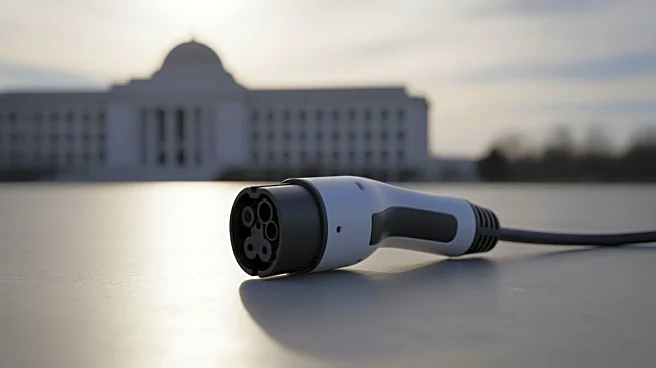
California has filed its 50th lawsuit against the Trump administration, challenging the suspension of federal funding for electric vehicle (EV) charging infrastructure. The lawsuit, filed in the U.S. District Court for the Western District of Washington
state, claims that the U.S. Department of Transportation and the Federal Highway Administration have refused to approve new funding for two grant programs created under President Biden. These programs, the Charging and Fueling Infrastructure program and the Electric Vehicle Charger Reliability and Accessibility Accelerator program, were designed to build, repair, and maintain EV chargers. California Attorney General Rob Bonta, along with attorneys general from Washington, Colorado, and 13 other states, argue that the suspension violates the constitutional separation of powers, as the funding was approved by bipartisan majorities in Congress. The lawsuit seeks to have the court declare the administration's actions unlawful and order the resumption of fund processing.
Why It's Important?
The suspension of approximately $3 billion in federal funding for EV chargers poses a significant challenge to California's climate goals and its efforts to expand its EV charging network. California, a leader in zero-emission vehicle adoption, aims to have 7.1 million plug-in passenger EVs on the road by 2030 and plans to ban the sale of new gas-powered cars by 2035. The halted funds are crucial for building and maintaining the state's EV infrastructure, which is essential for reducing greenhouse gas emissions and promoting clean energy. The lawsuit underscores the ongoing conflict between state and federal policies on environmental and energy issues, highlighting the broader implications for national climate policy and the transition to renewable energy sources.
What's Next?
If successful, the lawsuit could lead to the resumption of federal funding for EV infrastructure, supporting California's climate initiatives and potentially influencing other states to pursue similar legal actions. The outcome may also impact future federal-state relations regarding environmental policies and funding allocations. As the case progresses, stakeholders, including environmental groups, the automotive industry, and policymakers, will closely monitor developments, which could set precedents for how federal funds are managed and distributed under differing administrative priorities.