





What's Happening?
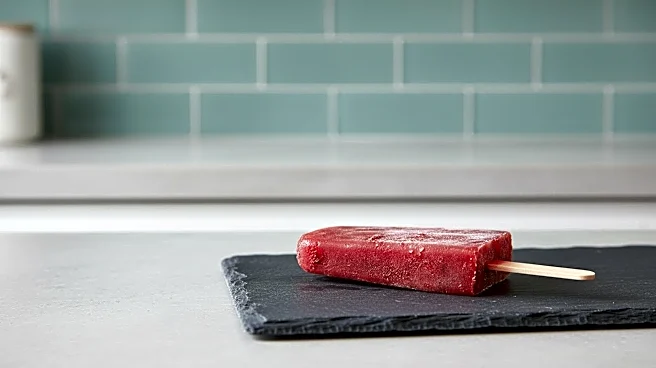
A viral TikTok video has brought significant negative attention to the Ninja Creami ice cream maker, previously a popular item on social media. User @arriiiixo, Arriella Simons, posted a video claiming to have found 'parasites' or 'maggots' trapped within
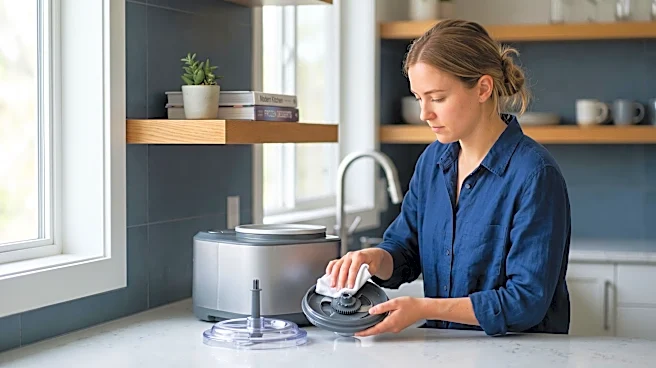
her appliance after making and consuming ice cream. Simons stated that she cleaned the machine almost every evening, yet discovered the critters in a part of the appliance that was difficult to disassemble and clean. Her partner, heard in the background, identified them as maggots. The video, which garnered over 10 million views on TikTok, prompted other users to share similar experiences. Mashable reported that this issue is not due to faulty machines but rather a cleaning and maintenance problem, specifically with the lid of the outer bowl where the blade attachment is located. This area has crevices that can retain water, creating a breeding ground for flies. Ninja Kitchen has since released an Instagram video demonstrating how to properly clean the appliance.
Why It's Important?
This incident is important for several reasons, impacting consumer product safety, brand reputation, and the influence of social media. For consumers, it highlights the critical importance of thorough cleaning and maintenance of kitchen appliances, especially those with intricate parts, to prevent health hazards. For manufacturers like Ninja Kitchen, a viral video can rapidly transform a beloved product into a subject of widespread concern, demonstrating the immediate and far-reaching effects of social media on brand perception. The rapid spread of such information necessitates a swift and clear response from companies to address consumer fears and provide solutions. This event also underscores the power of user-generated content in shaping public discourse around product quality and safety, potentially influencing purchasing decisions and regulatory scrutiny of household appliances.
What's Next?
Ninja Kitchen will likely continue its efforts to educate consumers on the proper cleaning and maintenance of the Ninja Creami, potentially through more prominent instructions in product manuals, online tutorials, and direct communication channels. The company may also consider redesigning future models to make them easier to clean and less prone to such infestations. Consumers who own Ninja Creami machines are expected to pay closer attention to cleaning instructions and methods, potentially leading to increased sales of cleaning tools or accessories. The incident could also prompt other appliance manufacturers to review their product designs and cleaning guidelines to prevent similar issues. The long-term impact on Ninja Creami's sales and brand loyalty will depend on the effectiveness of the company's response and its ability to reassure consumers about the safety and hygiene of its products.
Beyond the Headlines
This story delves into the less obvious implications of product design and consumer behavior in the age of viral content. It highlights how seemingly minor design elements, such as hard-to-clean crevices, can lead to significant public health concerns and reputational damage when exposed through social media. The 'Milkshake Duck' phenomenon, where something initially beloved becomes reviled, illustrates the fickle nature of online fame and the rapid shifts in public sentiment. Ethically, it raises questions about manufacturers' responsibility to anticipate and mitigate potential hygiene risks in their designs, especially for products that come into contact with food. Culturally, it reinforces the role of social media as a powerful, albeit sometimes sensationalized, platform for consumer advocacy and product scrutiny, forcing companies to be more transparent and responsive than ever before. This incident serves as a case study in how a single user's experience can trigger a widespread re-evaluation of a product's safety and design.