







What's Happening?
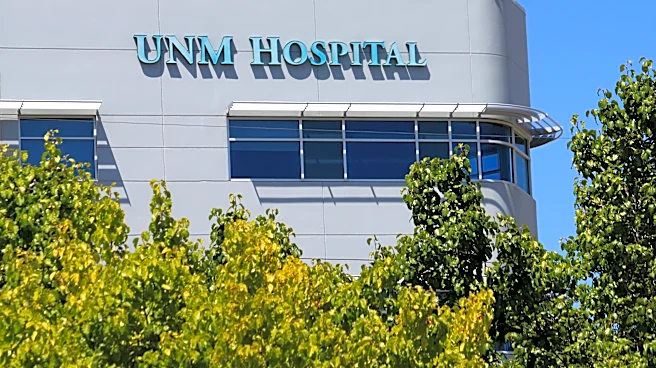
A cybersecurity incident has severely impacted the University of New Mexico Health System, leading to the redirection of ambulances and the cancellation or rescheduling of patient appointments across dozens of medical facilities. The problem, which occurred
on Monday, forced the health system to temporarily cease operations at its main hospital in Albuquerque and over 30 clinics. Employees reported seeing messages on their computers claiming that student, employee, and patient data had been stolen. As a result, patients arriving at the Albuquerque hospital and a medical center in Rio Rancho were turned away and advised to reschedule. Presbyterian Healthcare Services and Lovelace Health System, two other major healthcare providers in New Mexico, have stepped in to collaborate with UNM Health System by accepting additional patients. The cause of the cybersecurity breach is currently under investigation by law enforcement, and UNM Health System began resuming operations in phases later on Monday.
Why It's Important?
This cybersecurity incident at the University of New Mexico Health System highlights the critical vulnerability of healthcare infrastructure to cyberattacks and their immediate, far-reaching consequences on public health. The redirection of ambulances and cancellation of appointments underscore how such breaches can directly disrupt essential medical services, potentially jeopardizing patient care and safety, especially in emergency situations. The reported theft of sensitive data, including student, employee, and patient information, raises significant concerns about privacy and data security, which could lead to long-term trust issues and potential legal ramifications for the health system. The incident also demonstrates the interconnectedness of healthcare providers, as other systems like Presbyterian and Lovelace had to absorb the displaced patient load, straining their resources. This event serves as a stark reminder of the urgent need for robust cybersecurity measures and incident response plans within the healthcare sector to protect both patient data and the continuity of vital services.
What's Next?
The University of New Mexico Health System is in the process of gradually resuming its operations following the cybersecurity incident, with a phased approach to restoring services. Law enforcement agencies are actively investigating the cause and scope of the breach, which will be crucial for understanding the attack vectors and preventing future occurrences. The health system will likely focus on strengthening its cybersecurity defenses, implementing enhanced protocols, and potentially investing in new technologies to protect sensitive data. Patients whose appointments were canceled or rescheduled will need to rebook their visits, and there may be a backlog of appointments to manage. Furthermore, the health system will need to address the potential implications of stolen data, which could include notifying affected individuals and offering identity protection services. The incident may also prompt a broader review of cybersecurity practices across New Mexico's healthcare sector to bolster resilience against similar threats.
Beyond the Headlines
The cybersecurity incident at the University of New Mexico Health System reveals deeper systemic issues within the digital landscape of critical infrastructure. Beyond the immediate disruption, such attacks expose the ethical dilemmas surrounding data privacy, particularly in healthcare where personal information is highly sensitive. The reliance on interconnected digital systems means that a breach in one area can have cascading effects, impacting patient care, operational efficiency, and public trust. This event also underscores the ongoing 'cyber warfare' faced by institutions, where malicious actors constantly seek vulnerabilities. The collaboration of other healthcare providers to absorb patients highlights the resilience and adaptability of the healthcare community in a crisis, but also points to the need for more robust, system-wide preparedness. Long-term, this incident could influence policy decisions regarding cybersecurity funding, regulatory requirements for data protection, and the development of more secure digital health ecosystems to safeguard against future threats.