





What's Happening?
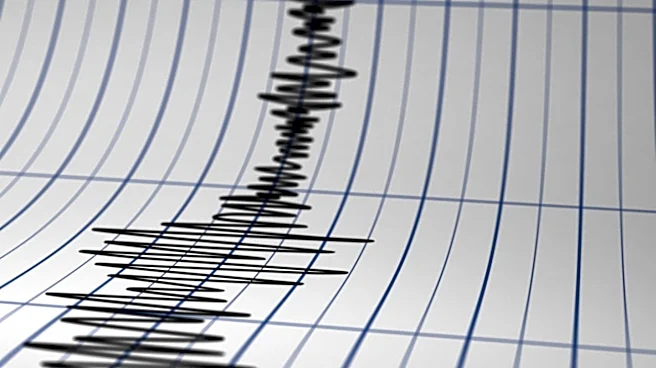
A magnitude 4.9 earthquake struck Victoria's Gippsland region, specifically northeast of Korumburra, a small farming town. The tremor occurred around 2 AM, causing significant shaking that residents described as feeling like a semi-trailer driving through
their homes. Anakin Martin, a local mother of five, reported being jolted awake by her house rattling and shaking, initially mistaking the event for a passing truck. Her security camera captured the moment the earthquake hit. Following the initial quake, at least five aftershocks have been reported in the area over several days. Geoscience Australia seismologist Tanja Pejic explained that while most tremors occur at tectonic plate edges, regions like Gippsland experience 'intra-plate seismicity,' where stresses from plate edges are transferred to the interior of the plate, making it one of Australia's more seismically active areas.
Why It's Important?
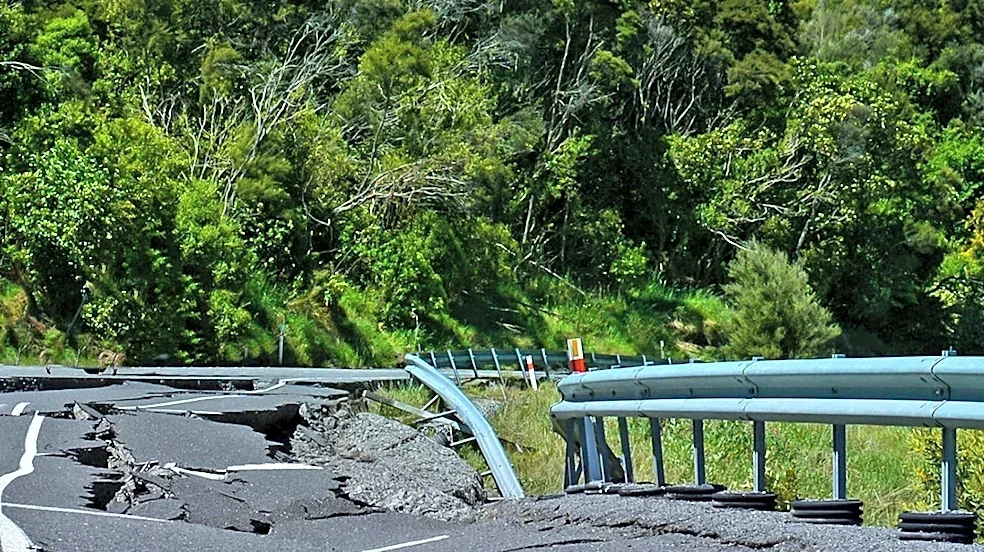
This earthquake highlights the ongoing seismic activity in regions not directly on tectonic plate boundaries, demonstrating that significant tremors can occur in unexpected locations. For residents in Gippsland, the event underscores the importance of earthquake preparedness, even in areas where large quakes are rare. The experience of widespread shaking and subsequent aftershocks can cause anxiety and potential structural damage, prompting a need for public awareness campaigns on safety protocols during seismic events. Understanding intra-plate seismicity is crucial for urban planning and infrastructure development in such regions, ensuring buildings are constructed to withstand potential tremors. The event also serves as a reminder for emergency services to be prepared for natural disasters beyond the most commonly anticipated ones.
What's Next?
Following the initial earthquake and subsequent aftershocks, authorities will likely continue to monitor seismic activity in the Gippsland region for any further tremors. Geoscience Australia will analyze data from the event to better understand the fault lines and stress patterns in the area. Local emergency services may issue advisories to residents on earthquake safety, including instructions on what to do during a quake and how to assess potential damage to properties. There may also be increased public discussion and awareness campaigns regarding earthquake preparedness in Victoria, particularly in seismically active zones like Gippsland. Residents are advised to remain vigilant and follow official guidance regarding safety measures.
Beyond the Headlines
The Korumburra earthquake brings to light the broader scientific understanding of intra-plate seismicity, a phenomenon where earthquakes occur within tectonic plates rather than at their boundaries. This type of seismic activity, while less frequent than plate-edge quakes, can still be significant and poses unique challenges for risk assessment and mitigation. It prompts a deeper look into geological stress distribution and the long-term stability of continental interiors. From a societal perspective, such events can trigger community discussions about resilience, emergency response effectiveness, and the psychological impact of unexpected natural disasters. It also underscores the continuous need for scientific research to refine earthquake prediction models and improve public safety measures in areas not traditionally considered high-risk.