


What's Happening?
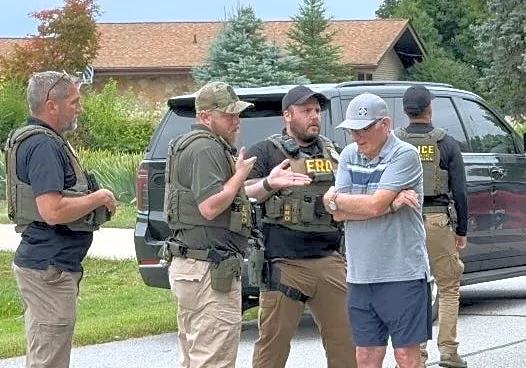
The Trump administration's extensive efforts to identify and prosecute noncitizens illegally registered on state voter rolls have resulted in approximately 1,600 voter fraud cases and 160 arrests, according to Matthew Millhollin, a senior official with
Homeland Security Investigations. These figures were released just six weeks before the November midterms. The administration has redirected federal resources and hundreds of employees to investigate alleged foul play in elections, driven by President Trump's claims of widespread noncitizen voting. However, these numbers fall significantly short of the hundreds of thousands of noncitizen voters previously suggested by President Trump and the Department of Homeland Security. Election officials and experts, including David Becker, a former U.S. Justice Department attorney, assert that these figures confirm the rarity of voter fraud, particularly noncitizen voting. The Justice Department reported charging 70 individuals with unlawful voting and registration offenses since the start of the administration, while HSI's 160 arrests often lead to charges for related offenses like false claims to citizenship rather than direct voting statute violations.
Why It's Important?
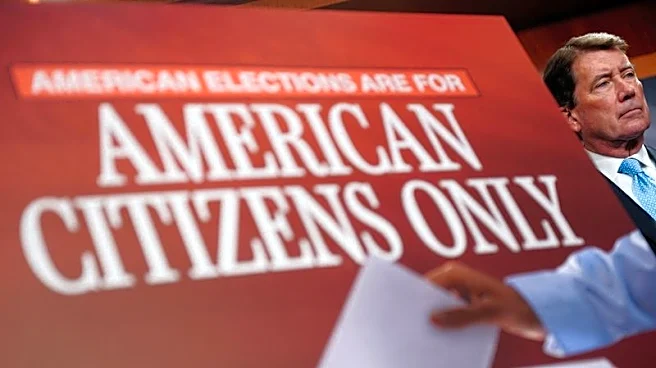
This report provides a rare quantitative update on the Trump administration's initiative to combat noncitizen voting, a key focus of President Trump's election integrity agenda. The relatively low number of arrests and charges, especially when compared to the total number of registered voters (over 211 million), reinforces the long-held view among election experts that widespread voter fraud, including noncitizen voting, is exceedingly rare. This finding is crucial for public discourse on election integrity, as it challenges claims that elections are routinely compromised by illegal votes. The administration's efforts, despite yielding limited results, have significant implications for federal resource allocation and the public's perception of election security. The focus on noncitizen voting has also led to controversial measures, such as pressuring states to use a federal voter database that was blocked due to privacy concerns, and a whistleblower report alleging federal employees were directed to misrepresent themselves on state voter lookup tools.
What's Next?
With the November midterms approaching, the debate over election integrity and voter fraud is expected to intensify. The Trump administration's continued focus on noncitizen voting, despite the limited number of confirmed cases, suggests that this issue will remain a prominent talking point. The legal challenges against the administration's election-related executive orders are ongoing, and efforts to pass a documentary proof of citizenship bill continue. Election officials, particularly those who are the target of threats fueled by claims of widespread fraud, will likely continue to face pressure. The release of these figures may be used by both sides of the political spectrum to support their arguments regarding the necessity or overreach of election security measures. The long-term impact could include further scrutiny of voter rolls, potential changes in state election laws, and continued legal battles over voting rights and election administration.
Beyond the Headlines
The administration's pursuit of noncitizen voting cases, despite the low numbers, highlights a deeper societal issue: the erosion of trust in democratic institutions and the electoral process. When claims of widespread fraud are made without substantial evidence, it can undermine public confidence and lead to increased polarization. The ethical implications involve the balance between ensuring election security and protecting the voting rights of all eligible citizens. The redirection of federal resources and the alleged misrepresentation by federal employees raise concerns about government overreach and potential violations of privacy. The long-term consequence could be a more contentious electoral environment, where the legitimacy of election outcomes is constantly questioned, regardless of the factual basis. This situation also underscores the challenge of combating misinformation and ensuring that public policy is based on verifiable data rather than unsubstantiated claims.