



What's Happening?
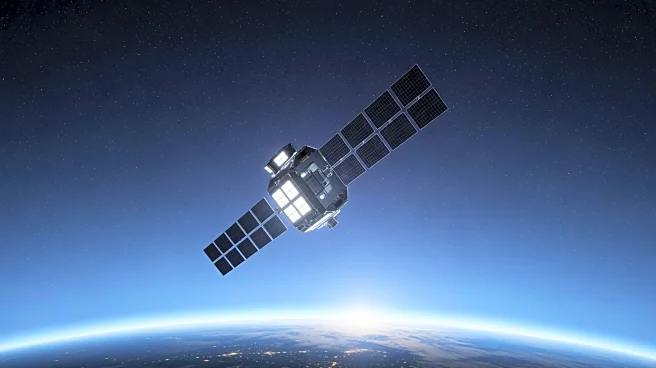
The China Aerospace Science and Technology Corporation (CASC) has announced plans to launch gigawatt AI space data centres over the next five years. This initiative is part of a broader strategy to construct gigawatt-class space digital-intelligence infrastructure,
integrating cloud, edge, and terminal capabilities. The project aims to achieve deep integration of computing power, storage capacity, and transmission bandwidth. This development follows a policy document from CASC proposing solar-powered hubs in orbit to support AI processing, aligning with China's upcoming 15th Five Year Plan. The Zhejiang Lab has already launched 12 LEO satellites to create a space-based computing cluster, with plans for a constellation of 2,800 satellites. The concept of space data centres is gaining traction, with companies like SpaceX and Blue Origin expressing interest, although challenges such as solar flares and space debris remain.
Why It's Important?
The launch of space data centres by CASC represents a significant advancement in the integration of AI and space technology. This move could position China as a leader in space-based data processing, potentially reducing the ecological impact of data centres on Earth. The initiative aligns with global trends towards sustainable energy solutions, as space-based centres can leverage solar power and avoid terrestrial environmental damage. The project could also enhance China's technological capabilities, providing a competitive edge in AI development. However, the high costs and risks associated with space operations, such as maintenance and repair challenges, pose significant hurdles.
What's Next?
As CASC progresses with its plans, the global tech and space industries will likely monitor the project's development closely. Potential collaborations or competitive responses from other nations and companies could emerge, particularly from those already exploring space-based data solutions. The success of this initiative could influence future policies and investments in space technology, prompting further exploration of sustainable data processing methods. Additionally, regulatory and safety considerations will be crucial as the project advances, with international cooperation potentially required to address space debris and other risks.
Beyond the Headlines
The ethical and environmental implications of space data centres are profound. While they offer a solution to the ecological footprint of terrestrial data centres, they introduce new challenges, such as space debris management and the potential militarization of space technology. The project's success could redefine data processing norms, encouraging a shift towards more sustainable practices. However, it also raises questions about the accessibility and control of space resources, potentially leading to geopolitical tensions as nations vie for technological dominance.