







What's Happening?
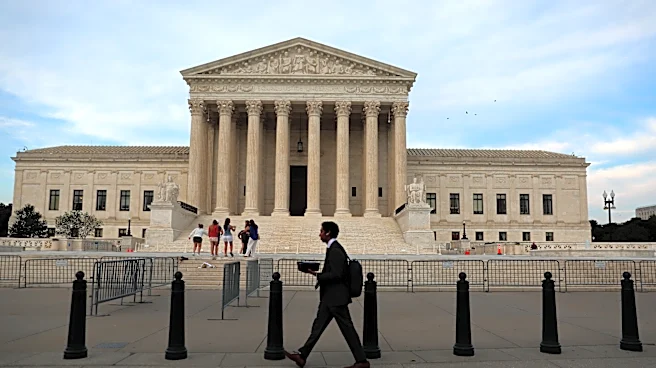
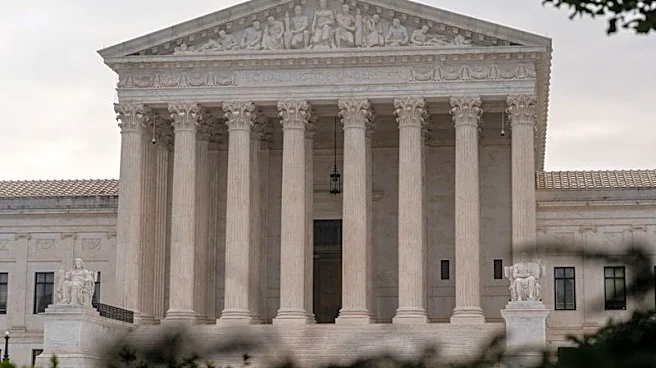
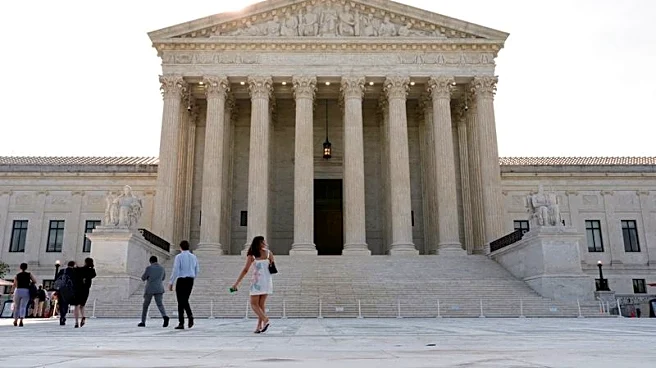
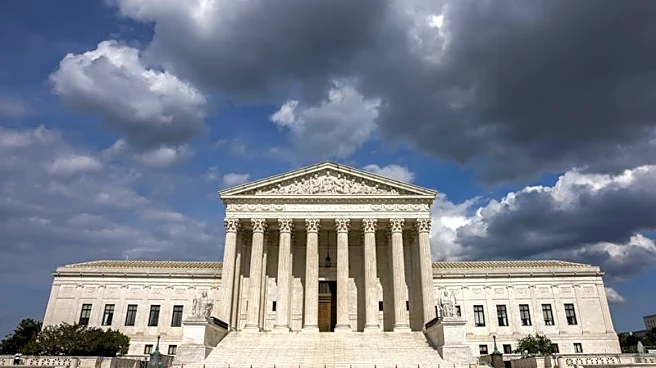
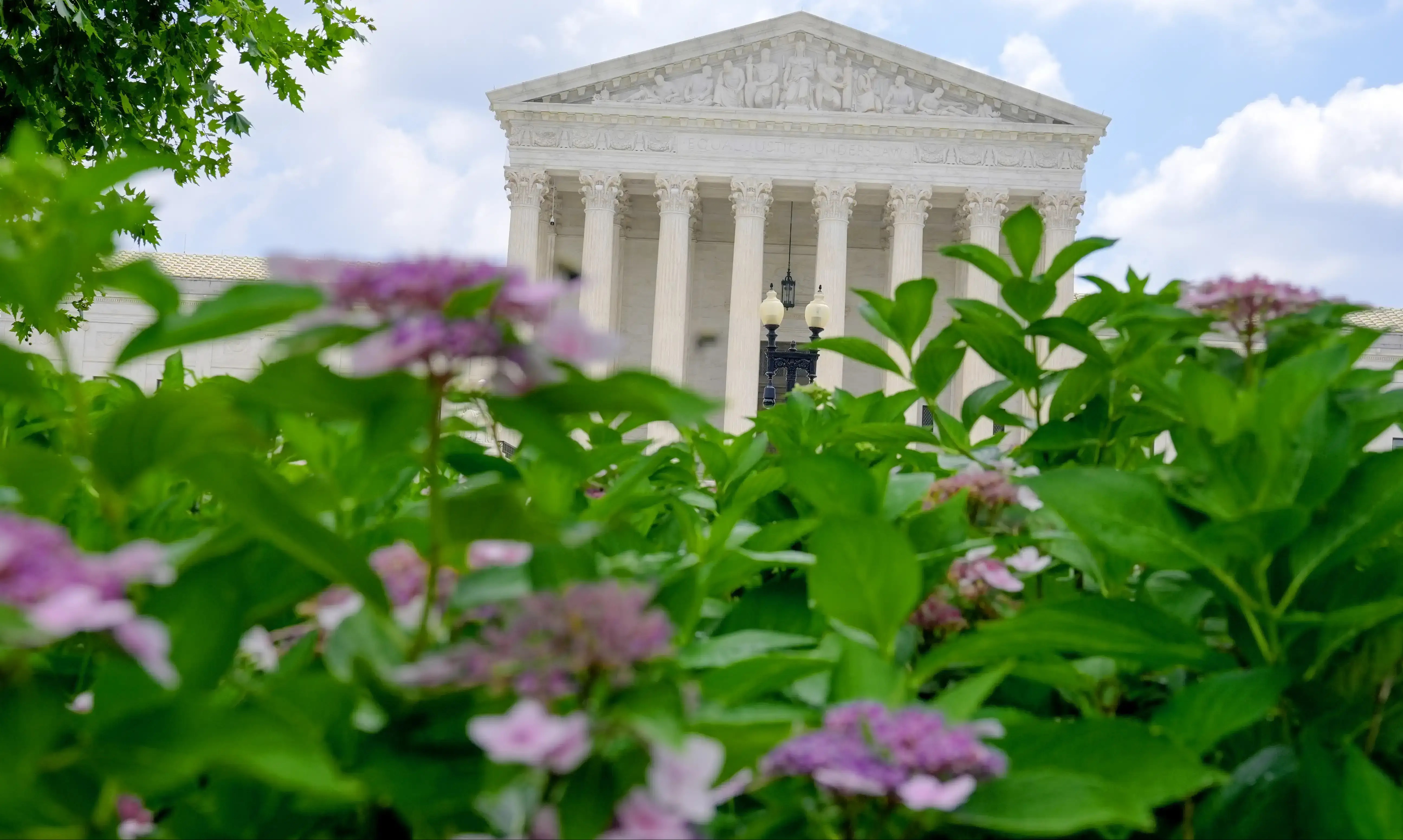
The U.S. Supreme Court has issued a significant ruling that grants President Trump, and future presidents, the authority to dismiss leaders of independent agencies or commissions. This decision overturns a 90-year precedent that limited executive power.
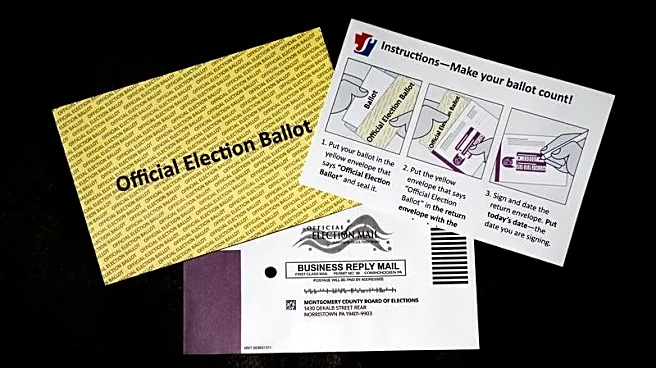
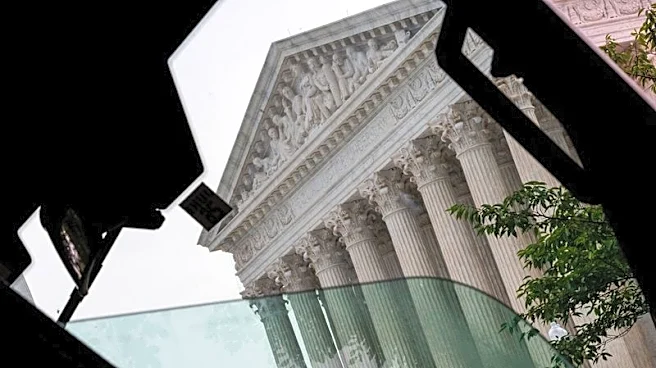
The case, Trump v. Slaughter, has sparked criticism from labor advocates, unions, and consumer advocacy groups, who warn of its potential long-term impact on U.S. democracy. Rebecca Slaughter, a former federal trade commissioner, expressed profound disappointment with the ruling. Legal experts, such as Georgetown law professor Stephen Vladeck, have highlighted the ruling's importance, noting its potential to significantly alter government operations. In a separate decision, the Supreme Court ruled against national Republicans and the Trump administration by allowing mail-in ballots arriving after election day to be counted, upholding existing laws in several states. Additionally, the court ruled that law enforcement's use of broad warrants to collect smartphone location data requires privacy protections under the Fourth Amendment.
Why It's Important?
The Supreme Court's decision to allow the president to dismiss agency chiefs could reshape the balance of power between the executive branch and independent agencies, potentially leading to increased political influence over regulatory bodies. This shift may affect how agencies operate and make decisions, impacting sectors such as finance, telecommunications, and consumer protection. The ruling on mail-in ballots reinforces the validity of mail-in voting, which has been a contentious issue in recent elections. By upholding the counting of these ballots, the court supports voting accessibility and could influence future electoral processes. The decision on smartphone data privacy strengthens Fourth Amendment protections, which could lead to changes in how law enforcement agencies conduct surveillance and gather evidence.
What's Next?
The Supreme Court's ruling on agency dismissals may prompt legislative responses from Congress, as lawmakers consider measures to restore checks on executive power. Advocacy groups and legal experts are likely to continue debating the implications of this decision, potentially leading to further legal challenges. The ruling on mail-in ballots may influence upcoming elections, as states and political parties adjust their strategies to accommodate or challenge mail-in voting practices. Privacy advocates may push for additional reforms to protect personal data, while law enforcement agencies may need to revise their procedures to comply with the new privacy standards.