
What's Happening?
Kawal Preet Singh, 50, has been indicted on federal charges including distributing methamphetamine, possessing meth with intent to distribute, and possessing a firearm in furtherance of a drug trafficking
crime. The charges stem from an investigation that began with a tip about a narcotics trafficker in Fresno. Federal agents executed search warrants at Singh's Dinuba residence and a Round Table Pizza restaurant he was associated with. During the searches, agents allegedly seized over 40 pounds of suspected methamphetamine, three firearms, and more than $10,000 in cash. Singh was arraigned and pleaded not guilty, and is currently not in custody. The Dinuba Round Table Pizza location tied to the case has since permanently closed. The indictment also suggests a network of Sikh Indian truck drivers transported cocaine from Mexico into the U.S. for an unspecified Mexican cartel.
Why It's Important?
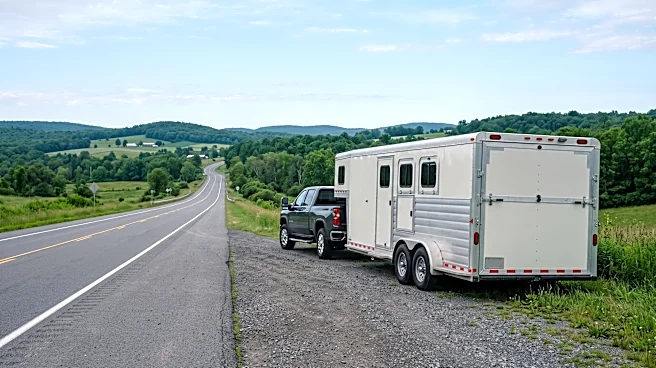
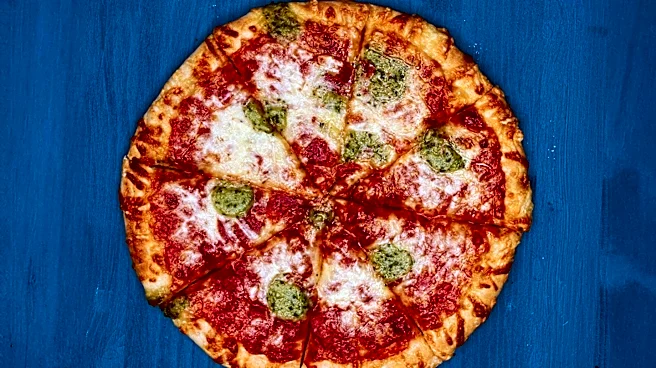
This case highlights the sophisticated methods used by drug trafficking organizations to conceal their operations, utilizing seemingly legitimate businesses like a pizza parlor as a front. The alleged involvement of a network of truck drivers underscores the challenges law enforcement faces in interdicting drug supply chains that leverage commercial transportation. The closure of the business and the federal charges against Singh demonstrate the severe consequences for individuals and establishments implicated in such activities. This incident also brings attention to the broader issue of drug distribution within U.S. communities and the ongoing efforts by task forces, such as the Central Valley High Intensity Drug Trafficking Area Task Force, to combat these illicit networks. The potential for a legitimate business to be exploited for criminal purposes can erode public trust and impact local economies.
What's Next?
Kawal Preet Singh has pleaded not guilty, and the case is scheduled for a status conference on November 4. If convicted, Singh faces a mandatory minimum of 10 years and up to life in prison, along with a fine of up to $10 million for drug trafficking. The firearm charge carries an additional mandatory minimum of five years, consecutive to any other sentence, with a maximum of life in prison. The ongoing legal proceedings will determine the outcome for Singh and could potentially uncover more details about the alleged drug trafficking network. The closure of the pizza parlor also signifies the immediate business impact of such investigations.
Beyond the Headlines
The alleged use of a pizza parlor as a front for a drug operation raises questions about the due diligence and oversight mechanisms for franchise businesses and independent operators. It also sheds light on the potential for seemingly innocuous community establishments to be co-opted for illicit activities, posing a hidden threat to public safety and local commerce. The mention of a network of Sikh Indian truck drivers in the indictment could also lead to broader scrutiny of the trucking industry and its vulnerabilities to drug trafficking, potentially prompting increased vigilance and security measures within the sector. This case underscores the complex interplay between legitimate commerce and organized crime, and the continuous adaptation of criminal enterprises to evade detection.