






What's Happening?
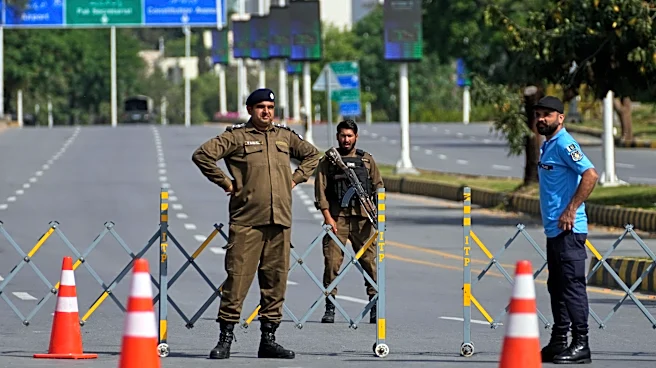
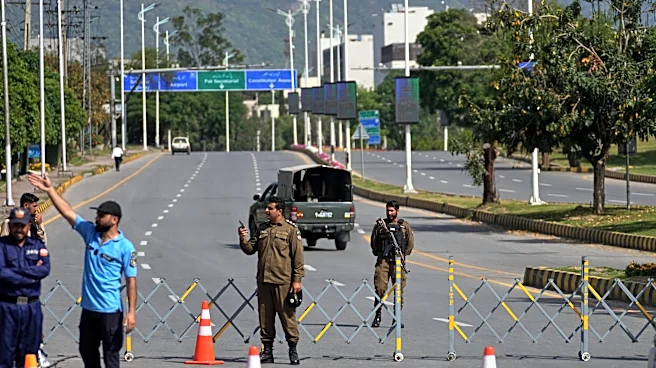
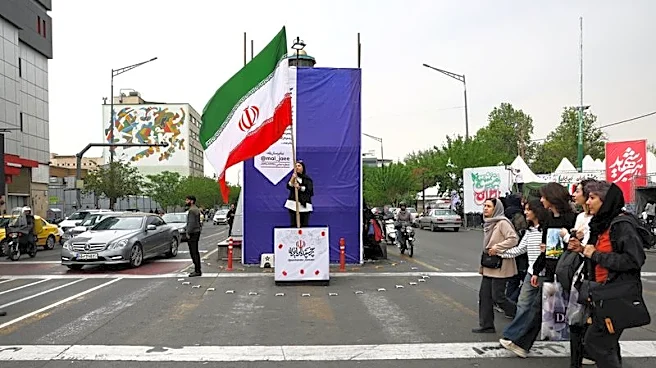
The U.S. and Iran are in a holding pattern as the ceasefire deadline nears, with no agreement on key issues. Vice President JD Vance's trip to Pakistan for talks is on hold due to Iran's lack of response. The U.S. demands Iran halt nuclear enrichment
and open the Strait of Hormuz, while Iran seeks the lifting of the U.S. blockade. President Trump has threatened military action if no deal is reached. The conflict has already impacted global oil markets and raised concerns about regional stability.
Why It's Important?
The situation is critical due to its implications for global energy markets and regional security. The Strait of Hormuz is a vital route for oil exports, and its closure has affected oil prices. The U.S. aims to prevent Iran from developing nuclear weapons, a key security concern. The conflict has broader implications for U.S. foreign policy and could lead to further instability in the Middle East. The outcome of these negotiations could influence international relations and economic conditions, particularly in energy markets.
What's Next?
The focus is on whether the ceasefire will be extended and if talks will proceed. The U.S. is prepared to resume military action if negotiations fail. The international community is closely monitoring the situation, as any escalation could have widespread repercussions. The potential for a diplomatic resolution remains, but significant challenges persist. Both sides need to make concessions to reach an agreement, and the role of mediators like Pakistan is crucial in facilitating dialogue.