




What's Happening?
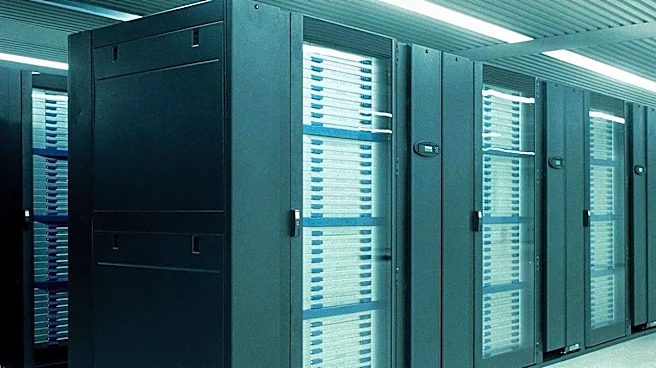
The City of Springfield, Missouri, is taking two significant steps in its ongoing review of potential data center developments. First, the city proposes extending the current administrative delay on accepting and processing data center applications. This
delay, set to expire on November 17, is intended to provide additional time for city officials to evaluate community input and develop policy options for the city council. Second, the city plans to define 'data center' within its Land Development Code. This measure aims to establish a clear and formal definition for the term, which is currently not specifically outlined in the code. These proposals follow three public engagement sessions where residents voiced concerns about electricity and water usage, utility rates, wastewater, noise, air quality, land use, public safety, and neighborhood impacts associated with data center development. City Manager David Cameron emphasized the need to thoroughly understand community feedback before proceeding, stating that extending the pause allows for sorting through complex issues related to utilities, public safety, the environment, and land use. The proposed definition of 'data center' is expected to be on the Planning & Zoning Commission’s agenda on October 15.
Why It's Important?
These actions by Springfield, MO, are important because they reflect a growing trend among local governments to proactively manage the impacts of large-scale technological infrastructure. Data centers, particularly hyperscale campuses, demand substantial resources, including vast amounts of electricity and water, which can strain existing utility grids and natural resources. The community's concerns highlight potential real-world impacts on utility rates, environmental quality, and neighborhood character. By extending the application delay, Springfield is prioritizing a comprehensive regulatory framework over rapid development, aiming to protect residents and utility customers. Defining 'data center' in the Land Development Code is crucial for establishing clear standards and avoiding ambiguity, which can lead to disputes and inconsistent development. This move ensures that any future data center projects will be evaluated against well-defined criteria, potentially influencing the economic viability and operational costs for businesses looking to establish data centers in the region. It also sets a precedent for how other U.S. cities might approach regulating high-resource industries.
What's Next?
The immediate next step for Springfield is the Planning & Zoning Commission meeting on October 15, where the proposed text amendment to define 'data center' will be discussed. Following this, the city staff will continue to evaluate community input and develop policy options for the city council regarding data center regulations. The proposed extension of the administrative delay on applications will allow time for this comprehensive framework to be developed. This framework could encompass various aspects, including fire and building safety requirements, environmental regulations, and land-use standards. The city will also monitor potential state and federal actions that could influence local government's authority to adopt such regulations. Ultimately, any new regulations and safeguards will proceed through the established public processes of the Planning & Zoning Commission and the city council before adoption. The goal is to establish clear expectations and protections before any new large-scale data center applications are considered, ensuring that community interests are safeguarded.
Beyond the Headlines
Beyond the immediate regulatory changes, Springfield's approach to data center development touches upon broader ethical and economic considerations. The public engagement process revealed a tension between potential economic benefits, such as job creation and investment, and concerns about environmental impact and quality of life for residents. This situation underscores the challenge local governments face in balancing economic growth with sustainable development and community well-being. The city's emphasis on establishing community protections before development decisions are made reflects a shift towards more responsible urban planning in the face of rapid technological expansion. Furthermore, the recognition that data center development is a regional issue, potentially affecting utility customers even outside city limits, highlights the need for collaborative regional planning and policy-making. This proactive stance could influence how other municipalities in the U.S. address the complex interplay between technological advancement, environmental stewardship, and community governance, setting a precedent for future infrastructure projects.