




What's Happening?
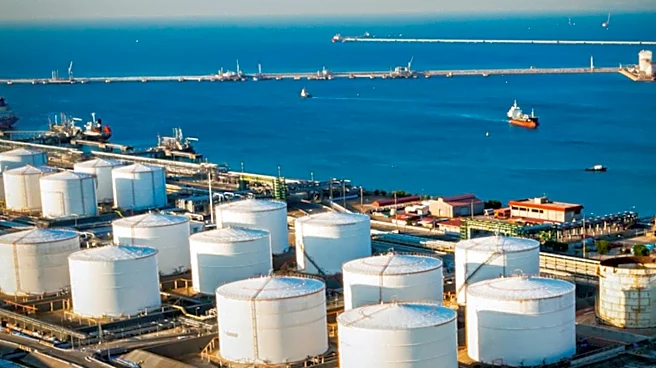
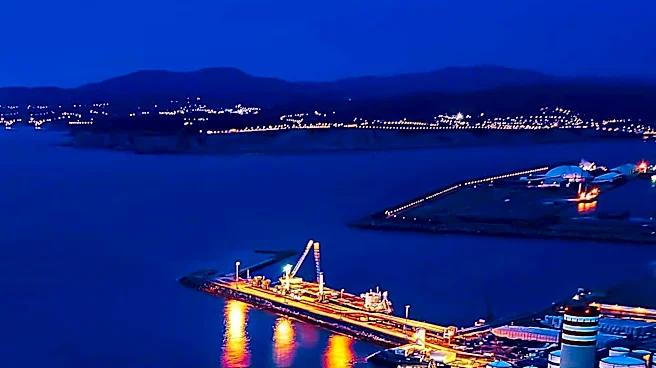
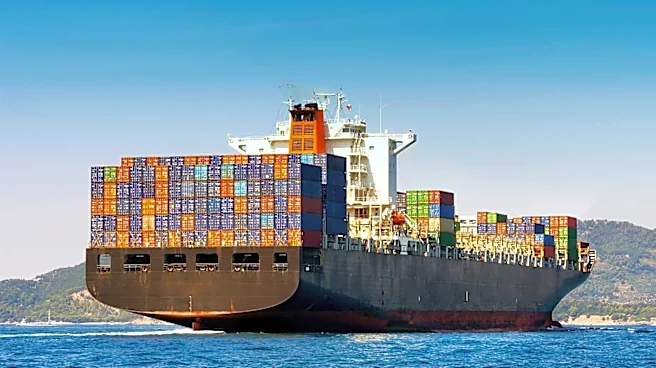
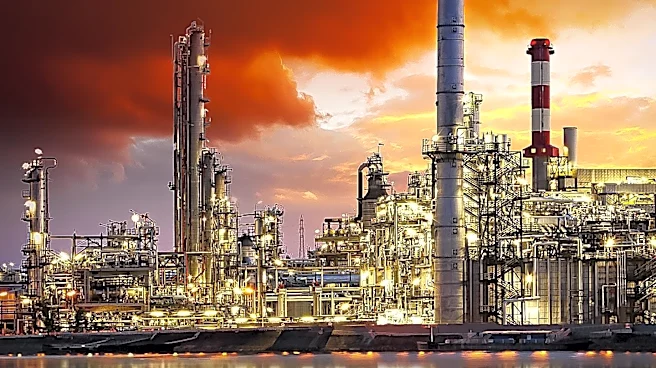
Gulf states are advancing seven major pipeline projects to bypass the Strait of Hormuz, a critical maritime chokepoint, due to ongoing tensions with Iran. These projects aim to reroute crude oil to export terminals on the Red Sea, Gulf of Oman, and the Mediterranean,
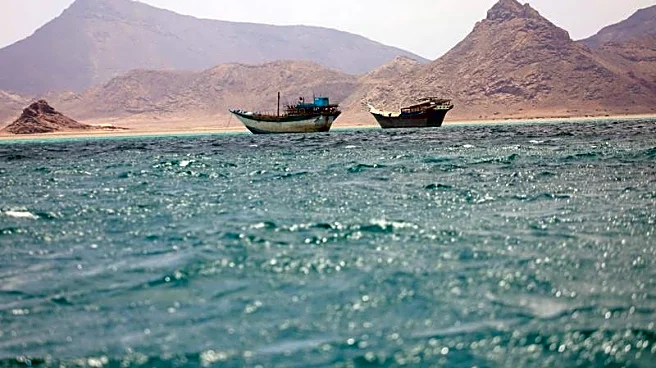
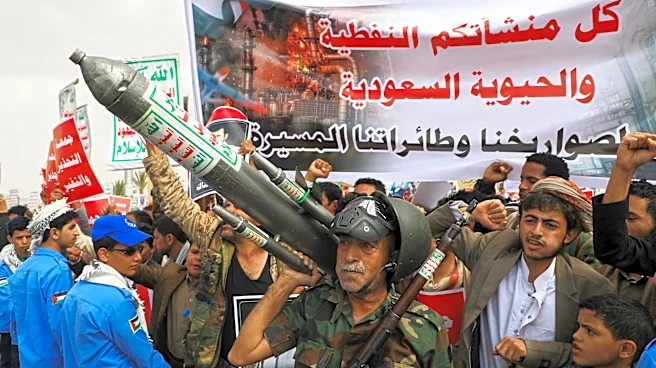
thereby reducing dependency on the Strait of Hormuz. The strategic shift is expected to increase the importance of Africa's Red Sea corridor, impacting countries like Egypt, Sudan, Eritrea, and Djibouti. The initiative follows disruptions linked to the Iran conflict, which have pressured oil markets and raised Brent crude prices above $100 per barrel. Despite the diversification efforts, the new routes face geopolitical risks, such as attacks by Yemen's Houthi rebels on vessels in the Red Sea.
Why It's Important?
The development of alternative oil export routes is crucial for Gulf states to mitigate risks associated with the Strait of Hormuz, a vital passage for global oil shipments. By enhancing the Red Sea's strategic importance, these projects could shift global energy dynamics, potentially benefiting African nations along the corridor. However, the geopolitical instability in the region, including threats from Houthi rebels, poses significant challenges. The success of these projects could lead to a more stable oil supply chain, impacting global oil prices and economic stability. Conversely, failure to secure these routes could exacerbate market volatility and energy security concerns.