





What's Happening?
Solo female travel to Morocco is a popular but challenging endeavor that requires significant preparation and cultural awareness, according to a travel guide. The U.S. Department of State advises increased caution due to terrorism risk, while the UK government
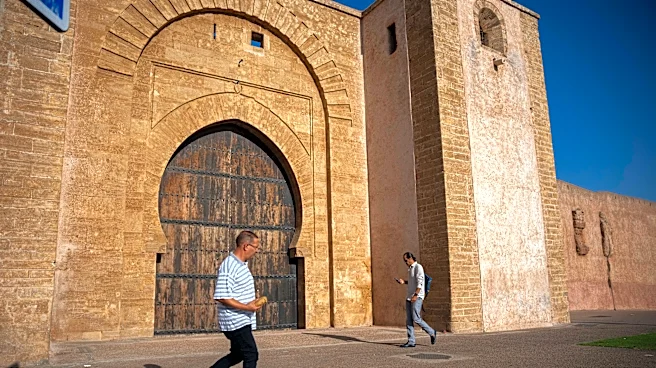
also warns of potential unwanted attention, especially for women traveling alone. Common challenges include persistent street attention, sales pressure, confusing medina layouts, and petty crime like pickpocketing. Travelers are encouraged to plan their routes carefully, dress modestly, use trusted transportation, and maintain a working data connection. Key safety measures include booking the first night's accommodation in advance, arranging airport transfers, downloading offline maps, and setting up phone security. Choosing accommodations with clear reviews from other solo women, prioritizing location and staff helpfulness, is also recommended. Destinations like Chefchaouen and Essaouira are considered more manageable for solo travelers due to their calmer pace and walkable streets, while Marrakech and Fes can be more intense.
Why It's Important?
The detailed guidance for solo female travelers to Morocco underscores the importance of proactive safety measures and cultural sensitivity in international travel. For U.S. citizens, understanding and adhering to these recommendations can significantly mitigate risks associated with foreign travel, aligning with the U.S. Department of State's advisories. The emphasis on reliable connectivity, pre-booked accommodations, and awareness of local customs highlights a growing trend in travel safety, where personal technology and informed choices play a crucial role in traveler well-being. This information is vital for travel agencies, insurance providers, and individuals planning international trips, as it outlines best practices for navigating complex cultural environments and potential security concerns. The advice also reflects a broader shift towards more responsible and informed tourism, where travelers are encouraged to engage with local cultures respectfully while prioritizing their personal safety.
What's Next?
Travelers planning solo trips to Morocco are advised to continuously check official government travel advisories, such as those from the U.S. Department of State and the UK government, as conditions can change. Before departure, individuals should ensure their phones are unlocked for international SIM cards or eSIMs, and install offline maps. It is crucial to save accommodation contacts and emergency numbers for offline access. Travelers should also carry a power bank for their devices and practice secure Wi-Fi habits. Upon arrival, setting up local connectivity immediately is recommended for navigation and communication. Ongoing vigilance regarding personal belongings, avoiding isolated areas at night, and handling unwanted attention with firm, brief responses will be essential throughout the trip. Engaging with licensed guides for complex areas like Fes's medina and choosing reputable tour operators for desert or mountain excursions are also critical next steps.
Beyond the Headlines
The comprehensive advice for solo female travel in Morocco extends beyond immediate safety concerns, touching upon deeper cultural and ethical considerations. The emphasis on modest dress and respectful behavior highlights the importance of cultural immersion and avoiding ethnocentric assumptions. Travelers are encouraged to understand and respect local laws and norms, particularly regarding public behavior, photography, and alcohol consumption, which can differ significantly from Western standards. This fosters a more harmonious interaction between tourists and local communities, potentially reducing misunderstandings and enhancing the travel experience. Furthermore, the guide subtly addresses the psychological aspects of solo travel, acknowledging that constant vigilance can be tiring and encouraging travelers to prioritize comfort and rest. This holistic approach to travel preparation not only aims to ensure physical safety but also promotes a more enriching and responsible form of tourism that benefits both the traveler and the host country.