






What's Happening?
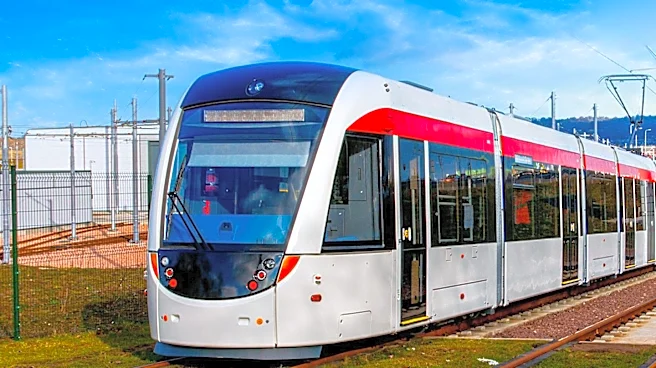
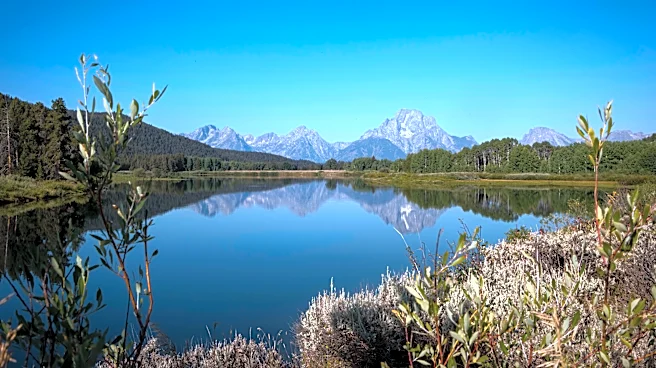
Wyoming is actively exploring significant transformations in its mass transit and electric rail travel infrastructure. This initiative aims to reshape visitor dynamics and promote sustainable tourism, particularly in iconic outdoor destinations like Yellowstone
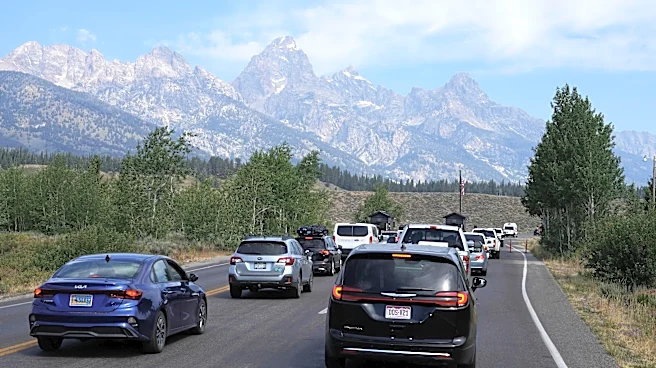
and Grand Teton National Parks. The state is considering reliable rail connectivity to channel eco-conscious travelers from major regional hubs into Cheyenne and northern gateways, thereby reducing heavy vehicle congestion on rural scenic highways. This shift is expected to preserve local air quality and minimize wear-and-tear on scenic byways leading to mountain retreats. The current rail framework in Wyoming is dominated by freight corridors managed by Union Pacific and BNSF Railway, primarily for bulk commodities. Regular intercity passenger rail has been absent for decades, posing a unique challenge for modern transport planners. Planning efforts, such as the Wyoming Department of Transportation State Rail Plan, are exploring limited intercity extensions rather than ultra-high-speed bullet trains. Regional connectivity is heavily focused on North-South integration along the Front Range, linking Cheyenne and Casper with Colorado’s expanding passenger transit networks. Freight density dictates track availability, necessitating meticulous scheduling harmonization between regional authorities and private freight operators for passenger integration.
Why It's Important?
The proposed mass transit and electric rail transformations in Wyoming hold significant importance for the state's economy, environment, and public policy. By shifting long-haul travel from aviation and highway driving to electrified rail, the initiative aims to fundamentally alter regional greenhouse gas inventories. Electrified rail systems, especially when powered by a modernized or renewable-integrated grid, emit significantly lower greenhouse gases per passenger-mile. This is crucial for Wyoming, which has historically relied on fossil fuels for electricity generation, making grid decarbonization a key factor in achieving carbon-offset benefits. The project also addresses the issue of severe winter weather, which frequently causes treacherous closures of I-80 and I-25, disrupting regional supply chains and stranding motorists. An all-weather, grade-protected rail alternative would provide structural resilience against seasonal highway gridlock, offering dependable mobility options and mitigating economic downtime. Furthermore, enhanced rail connectivity is expected to boost the visitor economy by improving access for international and domestic tourists to national parks, safeguarding fragile ecosystems from over-tourism pressures, and increasing local hospitality revenues in gateway communities.
What's Next?
Wyoming's next steps involve navigating policy, funding, and infrastructure challenges to realize its mass transit and electric rail expansion. Federal frameworks, including the Corridor Identification and Development program established by the Infrastructure Investment and Jobs Act, provide vital grant pathways for evaluating intercity passenger rail corridors. The state's planning targets incremental speed improvements, incorporating conventional or higher-speed rail up to 79–110 mph, integrated seamlessly with intermodal bus networks, rather than ultra-high-speed systems due to high capital expenditure per capita in low-density areas. Securing multi-jurisdictional funding will require aligning state priorities with federal transportation objectives. Overcoming sparse population density demands creative capital financing models that balance infrastructure expenditure against long-term socioeconomic returns. Expanding service northward into Cheyenne will necessitate joint legislative cooperation, dedicated infrastructure bonding, and robust local municipal support. The state will also need to address the challenge of balancing heavy freight volumes with track capacity constraints managed by Union Pacific and BNSF Railway, potentially requiring investments in dedicated bypass tracks or new alignments to accommodate passenger trains.
Beyond the Headlines
Beyond the immediate benefits of improved transportation and reduced emissions, Wyoming's mass transit and electric rail initiative carries deeper implications for the state's identity and future development. The project represents a strategic shift towards modernizing the 'American frontier,' integrating and connecting remote wilderness areas that were historically defined by their inaccessibility. This modernization could foster a renewed sense of community and accessibility, potentially attracting new residents and businesses seeking sustainable living and travel options. Ethically, the emphasis on eco-conscious travel and safeguarding fragile ecosystems reflects a growing societal value placed on environmental stewardship and responsible tourism. The integration of intermodal bus-rail hybrid networks also addresses social equity concerns by providing vital mobility options for rural communities and aging populations who rely heavily on non-automotive transit. This holistic approach to transportation planning aims to transform isolated rural pockets into active participants in the broader regional economy, ensuring that infrastructure development serves not just economic growth but also social well-being and environmental sustainability.