





What's Happening?
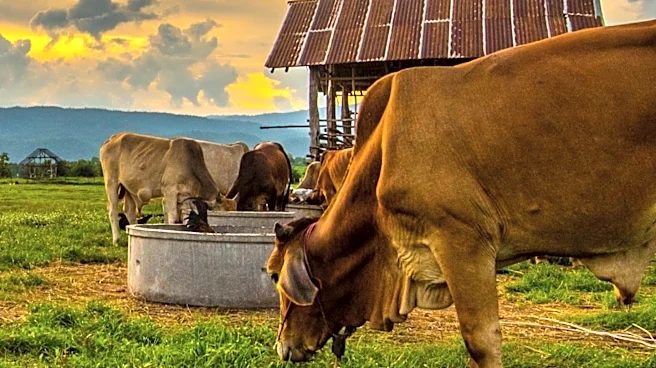
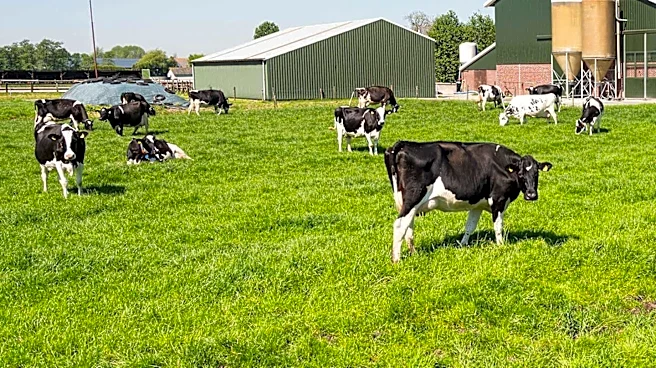
Virginia law, specifically Section 3.2-6503.1, mandates that owners of agricultural animals must provide essential care to prevent malnourishment and dehydration, and ensure necessary veterinary treatment. Owners are required to supply feed to prevent malnourishment,
water to prevent dehydration, and veterinary care when an impairment of health or bodily function cannot be addressed through animal husbandry, including humane destruction. However, the law specifies that these provisions do not require owners to provide feed or water if it is customarily withheld, restricted, or apportioned as part of a farming activity or if prescribed by a veterinarian. There is a rebuttable presumption that no violation has occurred if an owner is unable to provide care due to an act of God. This section of the law does not apply to agricultural animals used for bona fide medical or scientific experimentation. A violation of this section is classified as a Class 4 misdemeanor.
Why It's Important?
This Virginia law is important as it establishes a legal baseline for the welfare of agricultural animals within the state, aiming to prevent neglect and ensure humane treatment. By mandating basic provisions like food, water, and veterinary care, the law protects animals from suffering while also providing clear guidelines for agricultural owners. The inclusion of exceptions for customary farming practices and acts of God acknowledges the practical realities of agriculture, balancing animal welfare with operational considerations. The classification of violations as a Class 4 misdemeanor provides a legal recourse for enforcement, underscoring the state's commitment to animal protection. This legislation impacts farmers, animal welfare organizations, and the broader public by setting standards for animal care and accountability in the agricultural sector.
What's Next?
Agricultural animal owners in Virginia are expected to continue adhering to the requirements outlined in Section 3.2-6503.1, ensuring their animals receive adequate feed, water, and veterinary care. Enforcement of this law will likely involve monitoring by relevant state authorities and responses to reported violations. The provisions regarding customary farming practices and acts of God will continue to be considered in assessing compliance. Animal welfare organizations may continue to advocate for strong enforcement and potentially for further enhancements to animal protection laws. Owners of agricultural animals used for medical or scientific experimentation will remain exempt from these specific care requirements, operating under different regulatory frameworks.
Beyond the Headlines
The Virginia law on agricultural animal care reflects a growing societal concern for animal welfare, extending beyond companion animals to include those raised for agricultural purposes. While the law sets minimum standards, the broader ethical debate around animal agriculture often involves discussions about living conditions, humane slaughter, and the balance between economic efficiency and animal well-being. This legislation contributes to the ongoing evolution of animal protection laws in the U.S., where states are increasingly enacting or strengthening regulations to address various aspects of animal care. The challenge lies in effectively enforcing these laws across diverse agricultural operations and adapting them to evolving scientific understanding of animal sentience and welfare, while also considering the economic viability of farming practices.