







What's Happening?
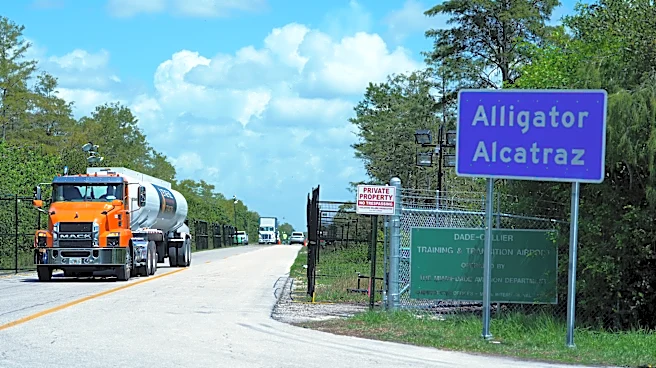
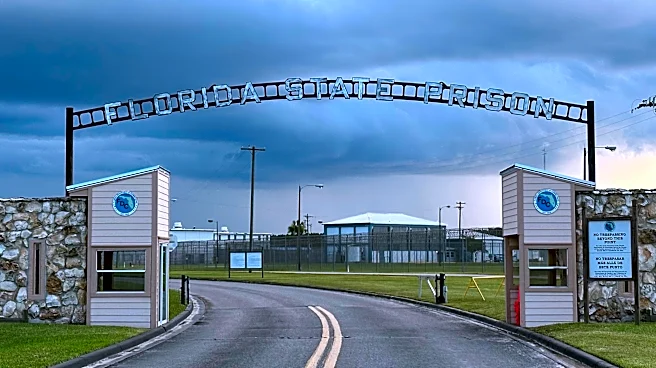
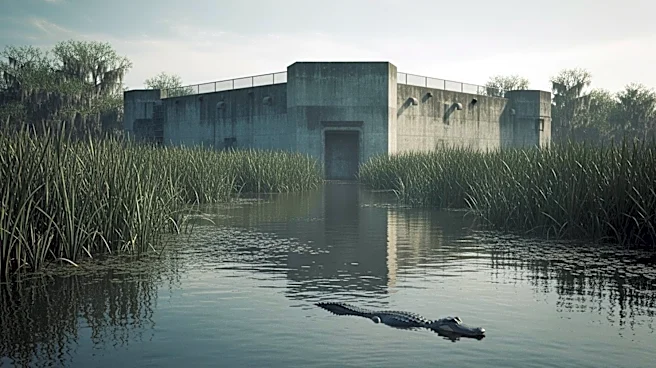
The 'Alligator Alcatraz' detention center in Florida, a symbol of the national immigration crackdown, has closed permanently. The facility, located in the Everglades, processed over 22,000 people for deportation since its opening in July 2025. State and
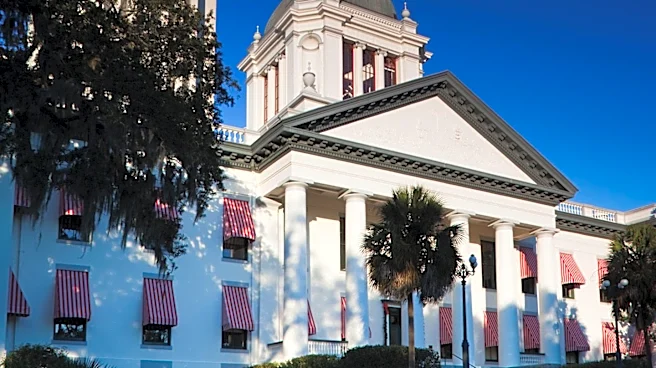
federal officials, including Florida Governor Ron DeSantis, confirmed the closure, citing the facility's role as a temporary measure during a federal resource shortage. Miami-Dade County Mayor Daniella Levine Cava announced plans to incorporate the site into the Comprehensive Everglades Restoration Plan, aiming to protect the area as an environmental preserve.
Why It's Important?
The closure of 'Alligator Alcatraz' marks a significant shift in immigration policy and environmental conservation efforts. The facility faced criticism for its environmental impact and the conditions under which detainees were held. Its closure and potential conversion into a protected area align with broader efforts to restore and preserve the Everglades, a critical ecosystem. This development reflects ongoing tensions between immigration enforcement and environmental protection, highlighting the need for sustainable solutions that balance human and ecological considerations.
What's Next?
The future of the site as part of the Everglades restoration project will involve legal and environmental assessments to ensure compliance with conservation goals. Advocacy groups and local stakeholders will likely continue to monitor and influence the site's transition to ensure it aligns with environmental and community interests. The closure may also prompt further discussions on immigration policy and the use of temporary detention facilities.