

What's Happening?
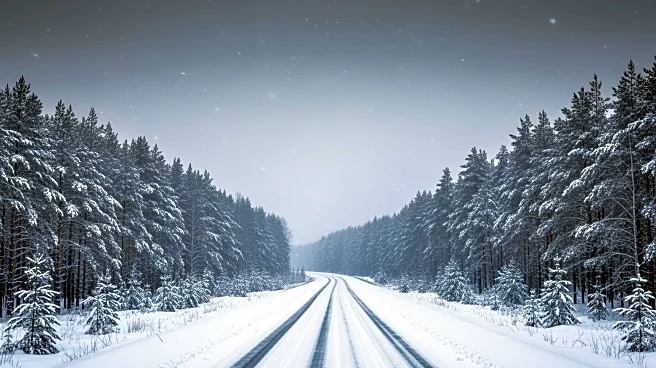
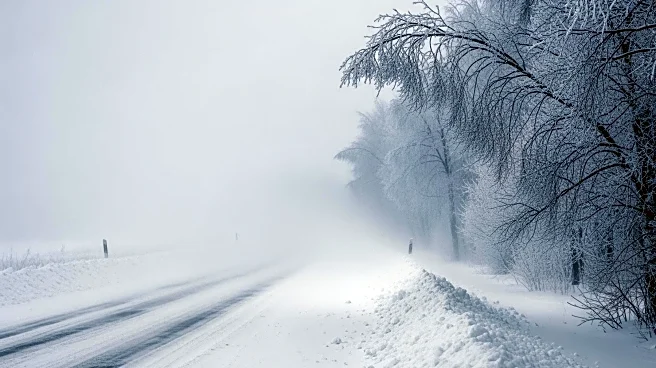
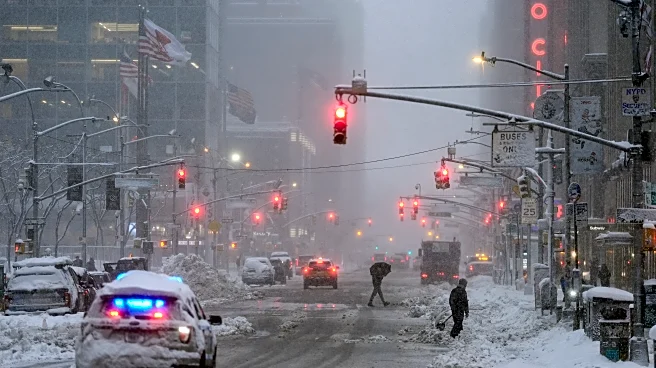
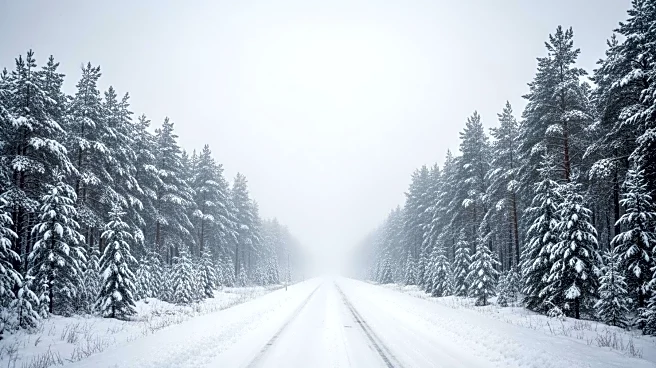
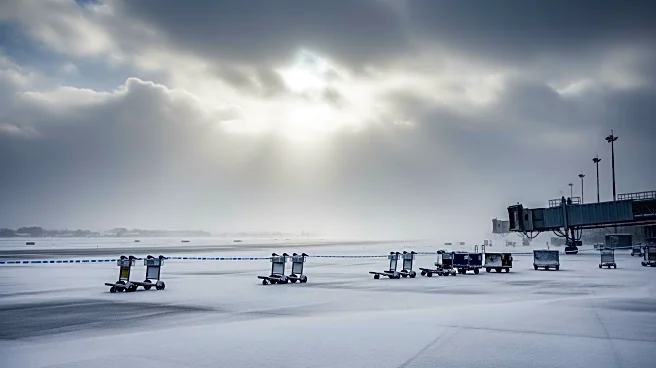
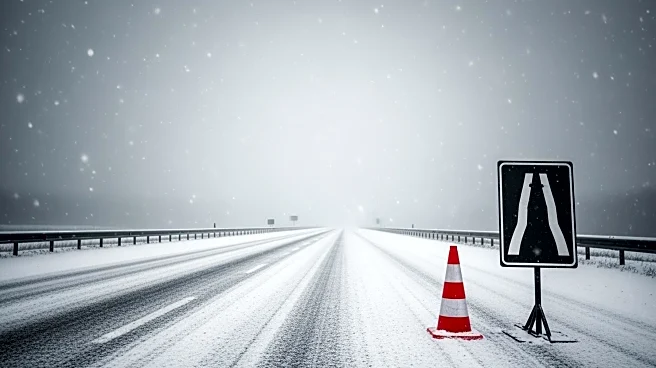
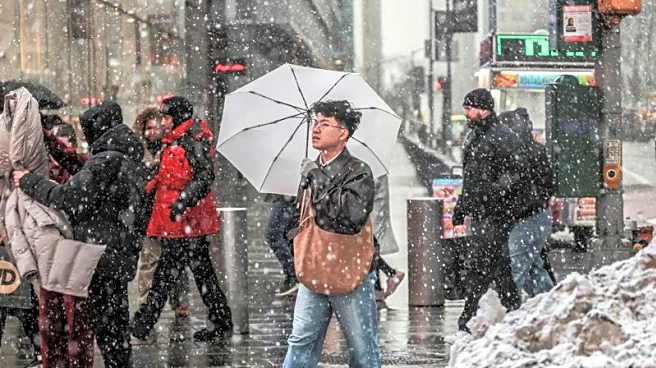
A powerful winter storm has struck the Northeast U.S., leaving millions stranded and causing significant travel disruptions. The storm, which hit on Monday, resulted in travel bans and flight cancellations across New York, New Jersey, Massachusetts, and Connecticut.
Some areas in Connecticut received up to two feet of snow, while parts of New York recorded 24 inches. The storm also led to power outages, with nearly 40,000 customers in New Jersey still without electricity. The severe weather conditions have prompted emergency responses and efforts to clear roads and restore services.
Why It's Important?
The storm's impact on the Northeast highlights the challenges posed by extreme weather events, particularly in densely populated areas. The disruptions to travel and power supply can have cascading effects on the economy, affecting businesses, transportation, and daily life. The event underscores the need for robust infrastructure and emergency preparedness to mitigate the effects of such storms. It also raises awareness about the potential for increased frequency and intensity of such weather events due to climate change, prompting discussions on adaptation and resilience strategies.
What's Next?
As the storm subsides, efforts will focus on clearing snow and restoring normalcy. Authorities will work to lift travel bans and resume transportation services. Utility companies will prioritize restoring power to affected areas. In the aftermath, there may be evaluations of the response to identify areas for improvement. The event could also lead to policy discussions on infrastructure investment and climate adaptation measures to better prepare for future storms.