




What's Happening?
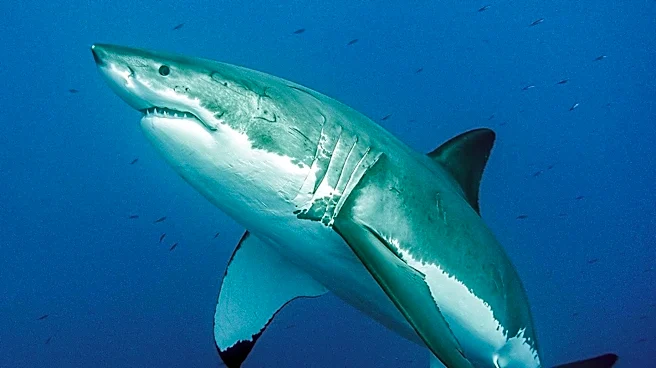
The Gallifrey Foundation, a Geneva-based marine conservation nonprofit, in collaboration with 12 grassroots organizations, has launched a free online Shark Conservation Toolkit. This resource, available at sharktoolkit.org in multiple languages, compiles
82 strategies, including successes, failures, opportunities, and threats, from field conservationists working globally. The toolkit aims to address the significant decline in shark and ray populations, with 32.6% of assessed species currently threatened, a figure that rises to an estimated 37.5% when data-deficient species are included. Overfishing is identified as a primary threat to all endangered species. The toolkit's co-founder, Antoinette Vermilye, stated that the initiative was developed to counter the global shark fin trade, which is pushing two-thirds of species toward extinction. The platform is designed to be dynamic, allowing users to submit new strategies and report on the effectiveness of existing ones, fostering a collaborative approach to marine conservation.
Why It's Important?
The decline of shark and ray populations has significant ecological and economic implications. Sharks, as apex predators, play a crucial role in maintaining the health and balance of marine ecosystems. Their disappearance can lead to trophic cascades, disrupting food webs and potentially impacting fish stocks that are vital for commercial fisheries and coastal communities. The toolkit's focus on sharing practical, field-tested strategies is important because it can empower smaller conservation groups, often operating with limited resources, to implement more effective conservation measures. By providing a centralized repository of knowledge, it helps avoid redundant efforts and promotes the adoption of successful interventions. The emphasis on community engagement and local knowledge, as highlighted by the toolkit's highest-scoring success of working with 'local heroes,' underscores the importance of involving stakeholders directly affected by conservation efforts, which can lead to more sustainable and culturally appropriate solutions.
What's Next?
The success of the Shark Conservation Toolkit will largely depend on its continued growth and user engagement. The platform is designed to accept new submissions and feedback, indicating a commitment to evolving as a comprehensive resource. Future developments will likely involve expanding the number of strategies, incorporating more diverse perspectives from frontline conservationists, and refining the impact scoring system based on user data. The toolkit's ability to facilitate knowledge exchange across different countries and cultures could lead to the development of more globally coordinated conservation efforts. Additionally, the data collected through user submissions on what works and what doesn't could inform policy recommendations and funding priorities for marine conservation organizations and governmental bodies worldwide. The ongoing challenge will be to ensure that the toolkit remains accessible and relevant to a wide range of users, from local fishers to international policymakers.
Beyond the Headlines
The launch of this toolkit highlights a broader shift in conservation strategies towards more collaborative, data-driven, and community-centric approaches. It acknowledges that effective conservation requires not only scientific research but also practical, on-the-ground implementation and the sharing of lessons learned, including failures. The toolkit's frank inclusion of 'failures' is particularly insightful, as it encourages transparency and learning from past mistakes, a critical component often overlooked in conservation narratives. This initiative also implicitly addresses the ethical dimension of conservation, recognizing the need to protect biodiversity while also considering the livelihoods of communities that depend on marine resources. By bridging the gap between scientific knowledge and practical application, the toolkit contributes to a more holistic understanding of marine conservation challenges and potential solutions, fostering a sense of shared responsibility for the health of our oceans.