





What's Happening?
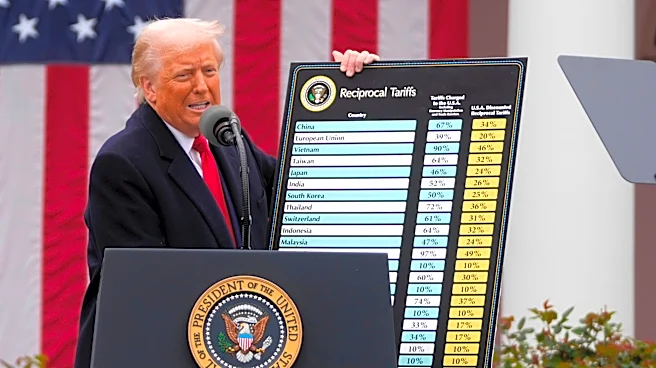
Trinidad and Tobago (T&T) has welcomed a reduction in U.S. tariffs on its exports, which were lowered from 15% to 10% following engagement with U.S. officials. This development comes as part of a broader U.S. trade investigation targeting countries not
enforcing bans on goods produced with forced labor. T&T, along with other Caribbean nations, was initially affected by these tariffs. The reduction is seen as a positive step for T&T's export industry, particularly in the petrochemical sector, which has been exempted from the latest U.S. trade measures.
Why It's Important?
The reduction in tariffs is significant for T&T's economy, providing relief to its export sector and enhancing its competitiveness in the U.S. market. The petrochemical industry, a key export sector for T&T, stands to benefit from the exemption, potentially boosting economic growth and job creation. However, the broader context of global trade tensions and evolving U.S. trade policies presents ongoing challenges. T&T's ability to maintain favorable trade terms with the U.S. will require continued diplomatic engagement and adaptation to changing international trade dynamics.
What's Next?
T&T will need to continue collaborating with the U.S. to maintain the reduced tariff rates and ensure compliance with international labor standards. The establishment of a Trade Data Desk by the Trinidad and Tobago Chamber of Industry and Commerce aims to monitor the impact of international trade policies and provide recommendations for businesses and the government. As global trade conditions evolve, T&T will need to navigate these changes to sustain its export growth and economic stability.
Beyond the Headlines
The reduction in tariffs highlights the complex interplay between trade policies and international relations. T&T's experience underscores the importance of diplomatic engagement and compliance with international standards in securing favorable trade terms. The situation also reflects broader trends in global trade, where countries must balance domestic economic interests with international obligations. As trade barriers continue to rise, countries like T&T will need to adapt to maintain their economic competitiveness and foster sustainable growth.