






What's Happening?
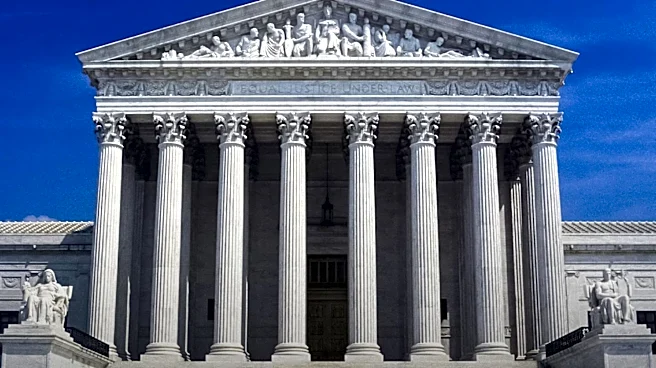
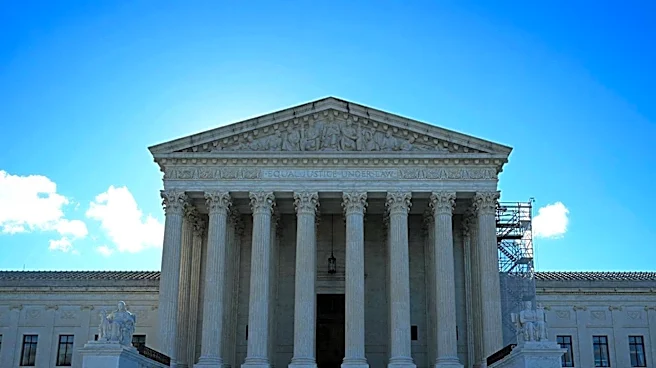
U.S. Representative Terri Sewell (D-Birmingham) has publicly criticized the U.S. Supreme Court's recent decision to temporarily pause a lower court's ruling concerning 'lowest unit charge' advertising rates for political parties and joint fundraising
committees. The Supreme Court's action effectively restores a Federal Communications Commission (FCC) notice, which mandates that television and radio broadcasters offer discounted advertising rates to these political entities. Representative Sewell expressed her strong disapproval on social media, stating that the decision 'shamelessly handed Republicans another last-minute win' and would 'amplify the influence of big money in our elections.' She emphasized that democracy should prioritize voters, not the ability of campaigns to outspend others. The Supreme Court's rationale for its decision was that without the discounted rates, political committees would face higher advertising costs, hindering their efforts to reach the electorate in the critical weeks leading up to the midterm elections, and that this injury could not be remedied post-fact.
Why It's Important?
This Supreme Court decision and Representative Sewell's reaction highlight a significant ongoing debate about campaign finance and the fairness of political advertising. The 'lowest unit charge' rule is designed to ensure that political advertisers receive the same favorable rates as a station's most favored commercial advertisers, preventing broadcasters from charging political campaigns exorbitant prices. By temporarily restoring this FCC notice, the Supreme Court has allowed political parties and joint fundraising committees to continue accessing these discounted rates. Representative Sewell's concern is that this benefits well-funded political organizations, potentially giving them an outsized advantage in influencing public opinion and election outcomes. This issue is crucial for the integrity of the electoral process, as it directly impacts the ability of various campaigns to communicate with voters and the perceived fairness of political competition. It also underscores the tension between free speech rights, as argued by the court, and concerns about the undue influence of money in politics.
What's Next?
The Supreme Court's decision is a temporary pause, meaning the legal battle over discounted political ad rates is likely to continue. The lower court's ruling, which the Supreme Court temporarily halted, could still be revisited or challenged. Political parties and advocacy groups will continue to monitor and potentially litigate these regulations, especially as future election cycles approach. Representative Sewell's public criticism suggests that this issue will remain a point of contention in Congress, potentially leading to legislative efforts to either codify or alter rules regarding political advertising rates. The broader implications for campaign finance reform and the role of money in elections will continue to be debated by lawmakers, civil society groups, and the public. The outcome of these ongoing legal and legislative discussions will significantly shape the landscape of political advertising and campaign spending in future U.S. elections.
Beyond the Headlines
Beyond the immediate legal and political ramifications, this issue delves into the fundamental principles of democratic fairness and equal access to public discourse. The ability of political parties to secure discounted advertising rates can be seen as both a mechanism to facilitate broad communication and a potential avenue for entrenched political power to maintain its advantage. Representative Sewell's argument that 'Our democracy should be about voters—not who can spend the most!' reflects a deep-seated concern about the erosion of democratic ideals when financial resources heavily influence political outcomes. This debate also touches on the role of media in elections, specifically how broadcasters balance their commercial interests with their public service obligations during political campaigns. The long-term implications could involve a re-evaluation of campaign finance laws, media regulations, and the balance between free speech and equitable access in the digital age, potentially leading to calls for more comprehensive reforms to address the influence of money in U.S. politics.