



What's Happening?
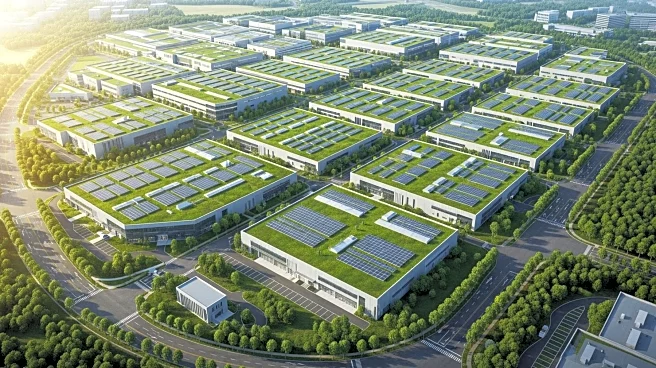
Vietnam is witnessing a significant shift in its industrial real estate market, particularly in the northern region, as it embraces green industrial parks to attract foreign direct investment (FDI). Between 2026 and 2029, the region is expected to add
approximately 5,050 hectares of industrial land, along with nearly 1 million square meters of ready-built factories and over 656,000 square meters of ready-built warehouses. This expansion is driven by major infrastructure projects such as the Gia Binh International Airport and the North–South Expressway expansion. These developments are positioning the North as a green manufacturing and logistics hub. According to Cushman & Wakefield Vietnam, FDI firms are increasingly prioritizing environmental, social, and governance (ESG) standards, prompting industrial park developers to adopt renewable energy and smart management systems.
Why It's Important?
The move towards green industrial parks in Vietnam is crucial as it aligns with global trends of sustainable development and carbon reduction commitments. This shift is expected to enhance Vietnam's competitiveness in attracting high-quality FDI, particularly from multinational corporations that value ESG standards. The development of green industrial parks not only supports environmental goals but also boosts the region's economic growth by creating a more attractive investment climate. As global supply chains restructure, Vietnam's focus on sustainable development and infrastructure improvements could position it as a key player in the global market, benefiting local economies and creating job opportunities.
What's Next?
As Vietnam continues to develop its green industrial parks, it is likely to see increased interest from international investors seeking sustainable investment opportunities. The focus on integrating renewable energy and smart management systems will be critical in meeting the demands of multinational corporations. Additionally, the expansion of infrastructure projects will further enhance the region's connectivity and attractiveness as a logistics hub. The ongoing commitment to ESG standards will likely lead to more stringent regulations and policies to ensure sustainable development, potentially influencing other regions to adopt similar practices.
Beyond the Headlines
The emphasis on green industrial parks in Vietnam highlights a broader shift towards sustainable development in emerging markets. This trend reflects a growing recognition of the importance of balancing economic growth with environmental responsibility. The integration of eco-friendly materials and smart energy management in industrial parks could serve as a model for other countries looking to attract FDI while addressing climate change. Furthermore, the development of a green production belt in Vietnam may lead to increased collaboration between the government, private sector, and international organizations to promote sustainable industrial practices.