
What's Happening?
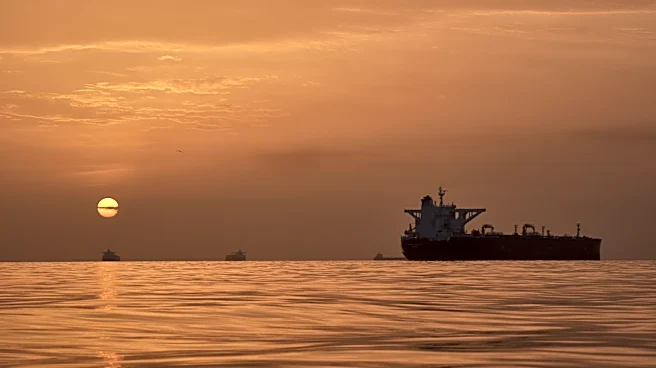
The ceasefire between the U.S. and Iran is set to expire this week, with no agreement in sight. President Trump has issued threats of military action if a deal is not reached, while Iran has closed the Strait
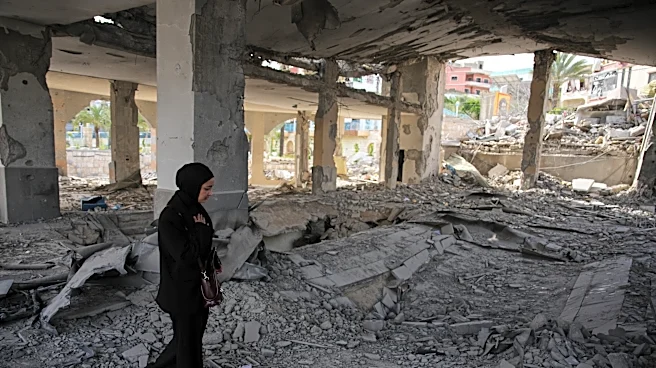
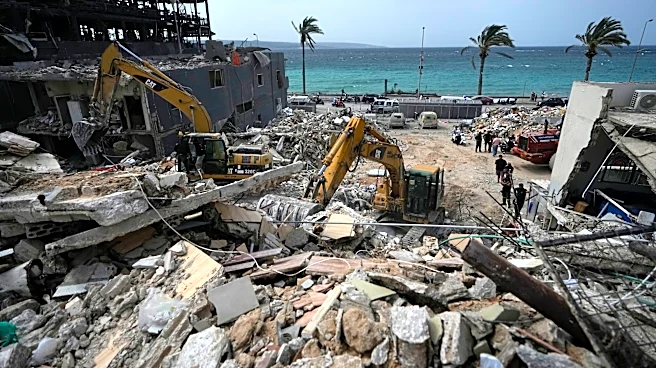
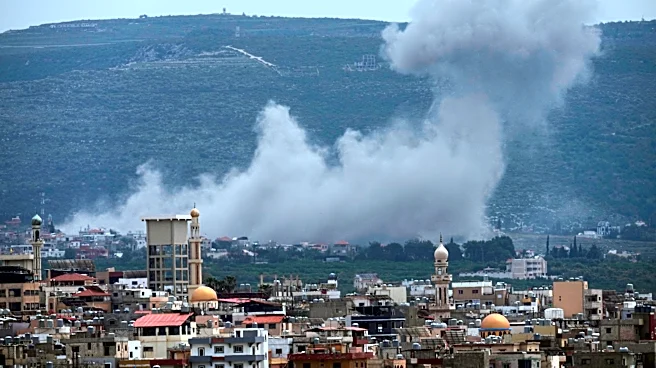
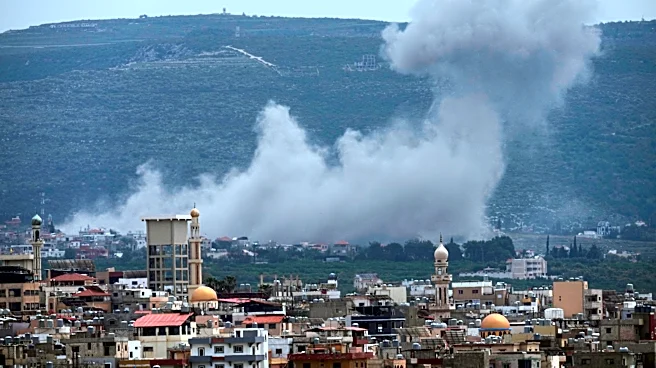
of Hormuz, restricting ship passage. The U.S. blockade of Iranian ports continues, impacting global oil and gas supplies. Negotiations are expected to resume in Pakistan, but the outcome remains uncertain. The situation has led to increased tensions in the region, with incidents involving Indian ships and ongoing conflicts between Israel and Lebanon.
Why It's Important?
The expiration of the ceasefire and potential escalation of conflict could have significant implications for global energy markets and geopolitical stability. The Strait of Hormuz is a vital route for oil and gas shipments, and prolonged disruptions could lead to higher energy prices and economic instability. The situation also highlights the complexities of international diplomacy and the challenges of achieving lasting peace in the region. The potential for military action raises concerns about the humanitarian impact and the risk of broader regional conflict.
What's Next?
As the ceasefire deadline approaches, diplomatic efforts will intensify to prevent further escalation. The upcoming negotiations in Pakistan will be crucial in determining the next steps, with both sides under pressure to reach a resolution. The international community will be closely watching the developments, with potential implications for global energy supplies and regional security. The outcome of the talks could influence future U.S. foreign policy and its approach to conflict resolution in the Middle East.