






What's Happening?
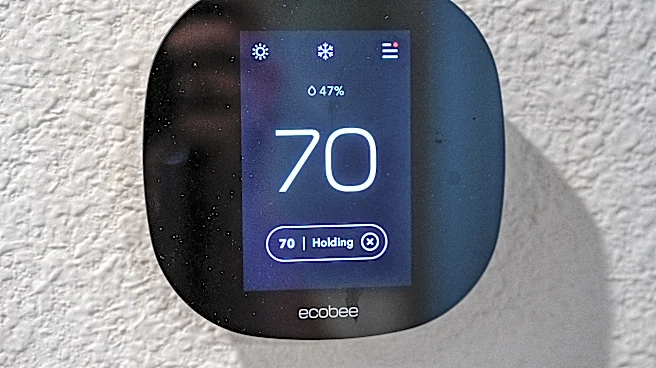
U.S. households are increasingly adopting smart kitchen sensors to combat food waste and improve food safety practices. These devices monitor various environmental conditions such as temperature, humidity, gas levels, weight, motion, and visual cues.
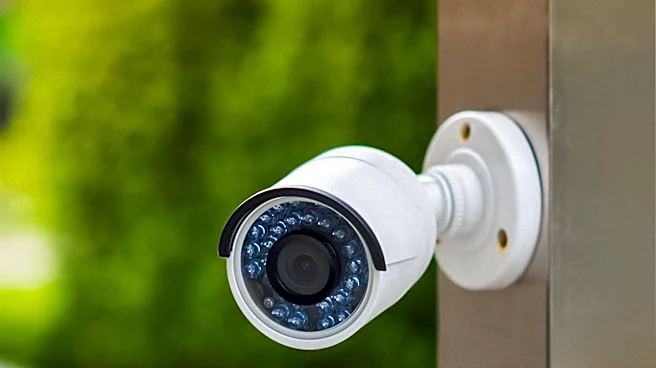
By converting these physical conditions into digital data, sensors provide alerts, logs, and action suggestions. For instance, temperature sensors continuously track refrigerator and freezer conditions, helping detect appliance failures or door-open events that could compromise food. Humidity sensors in crisper drawers optimize conditions for produce, while gas sensors identify ripening agents like ethylene to prevent premature spoilage. Weight sensors track inventory, and camera-based systems can identify items and flag visible spoilage. This technology aims to help consumers prioritize perishable items, prevent duplicate purchases, and maintain safer food handling through informed decisions.
Why It's Important?
The integration of smart kitchen sensors into U.S. homes holds significant importance for both individual households and broader societal goals. On a personal level, these sensors empower consumers to extend the shelf life of their groceries, thereby reducing household food waste and potentially lowering grocery bills. This is particularly relevant given rising food costs and a growing awareness of environmental sustainability. From a public health perspective, enhanced food safety monitoring, such as continuous temperature logging and early detection of appliance malfunctions, can prevent foodborne illnesses. The data collected by these sensors can also inform smarter shopping and meal planning habits, leading to more efficient resource utilization. The shift towards data-driven food management at home reflects a larger trend of smart home technology impacting daily life, offering practical solutions to common household challenges and contributing to a more sustainable food system.
What's Next?
The adoption of smart kitchen sensors is expected to continue growing as technology becomes more accessible and integrated into smart home ecosystems. Manufacturers will likely focus on improving sensor accuracy, battery life, and seamless connectivity with other smart devices. Future developments may include more sophisticated AI-driven analytics that can predict food spoilage with greater precision and offer personalized recommendations for meal preparation based on available inventory. There will also be an ongoing emphasis on addressing data privacy and security concerns associated with connected devices, with a push for more local processing options and transparent data handling policies. As consumers become more accustomed to these tools, their integration into standard kitchen appliances could become more common, further embedding smart food management into daily routines.
Beyond the Headlines
Beyond the immediate benefits of waste reduction and safety, the widespread use of smart kitchen sensors could foster a deeper cultural shift in how Americans perceive and manage food. By providing real-time data and actionable insights, these devices encourage a more mindful approach to consumption, moving away from a 'use-by-date' mentality towards a more dynamic understanding of food freshness. This could lead to a greater appreciation for food resources and a reduction in the psychological burden of food waste. Ethically, the data collected by these sensors raises questions about privacy and the potential for commercial exploitation of household consumption patterns. Ensuring robust data protection and user control will be crucial for maintaining public trust. Furthermore, the technology could inspire educational initiatives on food science and sustainable living, empowering individuals to make more informed choices about their diet and environmental impact.