






What's Happening?
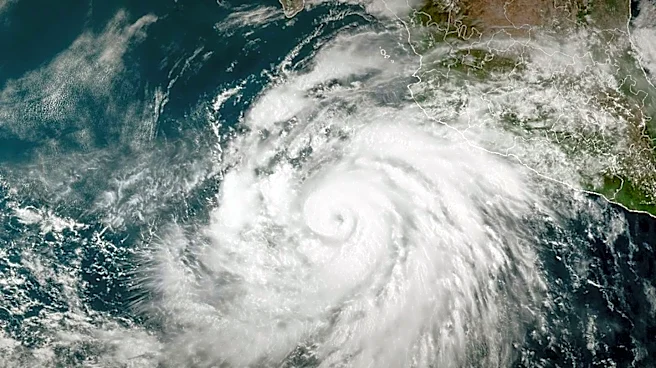
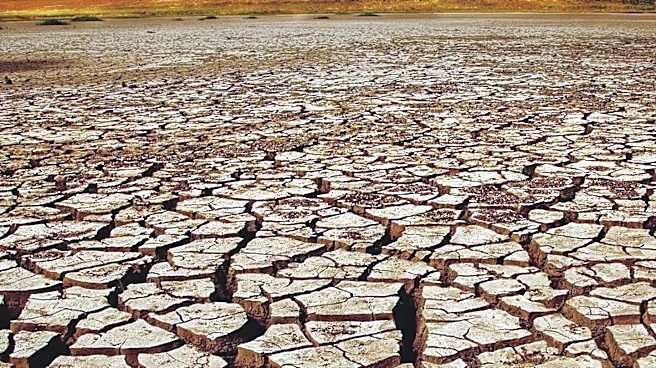
The World Food Programme (WFP) has issued a warning that the rapidly developing El Niño weather system could push approximately 50 million people into acute hunger by the end of next year. This situation is exacerbated by ongoing droughts in parts of Africa
and rising food prices due to geopolitical tensions. The WFP's data indicates that 225 million people in 45 countries are already experiencing acute food insecurity. The El Niño phenomenon, which alters global rainfall patterns, is expected to severely impact regions such as Central and South America, the Caribbean, and southern Africa. The WFP is implementing anticipatory actions to mitigate the effects of this extreme weather, although funding and data collection challenges persist.
Why It's Important?
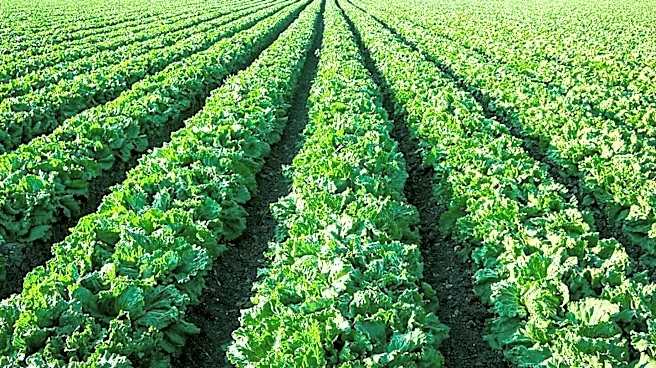
The potential increase in acute hunger due to El Niño highlights the vulnerability of global food systems to climate-related disruptions. This situation could lead to increased food prices worldwide, affecting both developing and developed nations. The WFP's warning underscores the need for international cooperation to ensure food security and prevent export restrictions that could exacerbate the crisis. The anticipated impact on agriculture could have long-term economic consequences, particularly in regions heavily reliant on farming. Addressing these challenges requires coordinated efforts to enhance resilience and support affected communities.
What's Next?
The WFP is focusing on early warning systems and anticipatory relief efforts to reduce the impact of El Niño. However, the success of these measures depends on securing adequate funding and international collaboration. The organization is calling for at least $80 million to support these initiatives. As the situation develops, governments and international bodies may need to reassess their food security strategies and consider policy adjustments to address potential shortages and price hikes. The response to this crisis will likely involve a combination of humanitarian aid, policy interventions, and long-term resilience building.