





What's Happening?
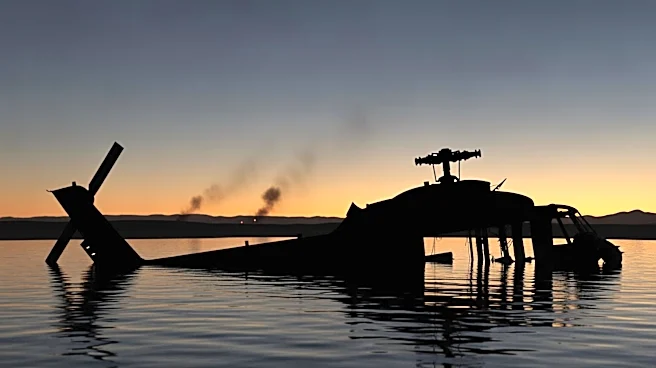
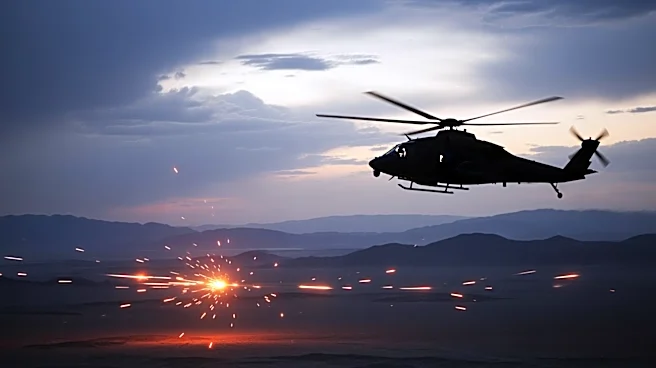
The United States has launched retaliatory strikes against Iran after an Army Apache helicopter was downed by an Iranian drone near the Strait of Hormuz. This incident prompted a swift response from the U.S. military, which conducted counterstrikes in the region.
President Trump, in an interview with ABC News, emphasized the necessity of a strong response to the attack. The downing of the helicopter and subsequent U.S. actions highlight ongoing tensions between the two nations, particularly in the strategically significant Strait of Hormuz, a vital passage for global oil shipments. The situation underscores the fragile nature of U.S.-Iran relations and the potential for escalation in the region.
Why It's Important?
The retaliatory strikes by the U.S. against Iran are significant as they reflect the ongoing volatility in the Middle East, particularly concerning U.S.-Iran relations. The Strait of Hormuz is a critical chokepoint for the global oil supply, and any military actions in this area can have far-reaching implications for international oil markets and global economic stability. The U.S. response also signals a firm stance on protecting its military assets and personnel, which could influence future diplomatic and military engagements with Iran. The incident may lead to increased military presence and heightened security measures in the region, affecting international shipping and trade routes.
What's Next?
Following the retaliatory strikes, there may be diplomatic efforts to de-escalate tensions between the U.S. and Iran. However, the potential for further military engagements remains, depending on Iran's response to the U.S. actions. The international community, including allies and regional partners, may call for restraint and dialogue to prevent further escalation. Monitoring of the Strait of Hormuz will likely intensify, with possible implications for global oil prices and supply chains. The U.S. may also engage in discussions with allies to coordinate a collective response to ensure regional stability.