






What's Happening?
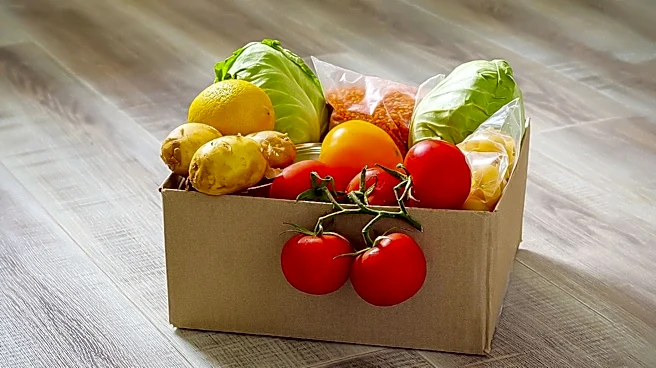
Pinellas County Schools' Food & Nutrition department is a key partner in the Childhood Hunger Initiative, an effort launched in 2015 with the goal of reducing childhood hunger. This initiative brings together various community partners to enhance communication,
increase access to food, align resources, and fill existing hunger gaps for children in Pinellas County, Florida. Statistics indicate that one in five children in Pinellas County live in homes with low food security, meaning they do not consistently have enough food for an active, healthy life. Furthermore, over half of the students in the county qualify for free or reduced-price lunches. In Fiscal Year 2022, the initiative provided 5,623,135 free meals to children to address these gaps. It also operated 118 Summer BreakSpot sites across Pinellas County, offering 372,161 free summer meals to children when school is not in session. Currently, 55 partner agencies are collaborating to collectively address these food insecurity challenges.
Why It's Important?
The Childhood Hunger Initiative is vital for the well-being and academic success of children in Pinellas County. Food insecurity has profound negative impacts on a child's physical health, cognitive development, and ability to learn. Children who experience hunger are more likely to suffer from chronic health problems, have difficulty concentrating in school, and perform poorly academically. By providing millions of free meals, especially during critical periods like summer breaks when school meal programs are unavailable, the initiative directly mitigates these adverse effects. The collaborative approach, involving numerous community partners, ensures a more comprehensive and efficient response to the complex issue of childhood hunger. This collective effort not only provides immediate relief but also works towards creating a more supportive environment where children have consistent access to nutritious food, thereby fostering better health outcomes and educational opportunities for the next generation.
What's Next?
The Childhood Hunger Initiative is expected to continue its operations, with ongoing efforts to coordinate community partners and expand food access for children in Pinellas County. The initiative's established network of 55 partner agencies and 118 Summer BreakSpot sites suggests a sustained commitment to addressing food insecurity. Future efforts will likely focus on strengthening these partnerships, identifying new opportunities to fill hunger gaps, and potentially expanding the reach of their programs. The continued monitoring of food security levels among children in the county will be crucial for adapting strategies and ensuring the initiative remains responsive to the community's needs. The success of such local initiatives can also serve as a model for other communities grappling with similar challenges, highlighting the importance of coordinated local action in combating childhood hunger.
Beyond the Headlines
Beyond the immediate provision of meals, the Childhood Hunger Initiative addresses systemic issues related to poverty and access to resources. The statistic that one in five children faces low food security underscores deeper socioeconomic challenges within the community. By actively working to align resources and fill hunger gaps, the initiative contributes to a broader goal of social equity and child welfare. It also highlights the critical role of schools and community organizations as safety nets for vulnerable populations. The focus on summer meal programs is particularly significant, as summer months often represent a period of increased vulnerability for children who rely on school meals during the academic year. This initiative implicitly advocates for policies that support food security and child nutrition, recognizing that a healthy, well-nourished child is better equipped to thrive and contribute to society. It's a testament to the power of community-led efforts in tackling complex social problems.