








What's Happening?
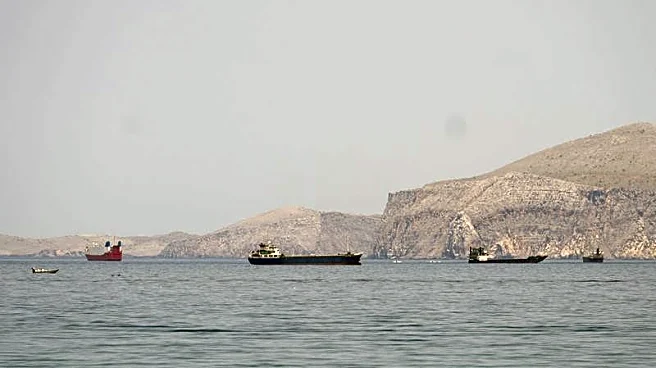
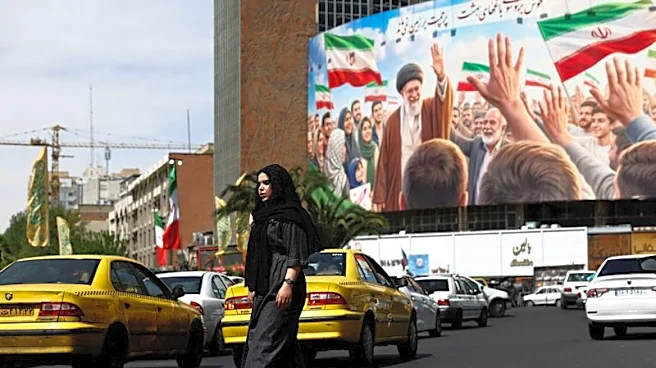
Mohamed El-Erian, a prominent economist, has warned that the global economy could face a recession within four to eight weeks if the Strait of Hormuz remains closed. The strait's closure, due to ongoing conflict involving Iran, the U.S., and Israel, has disrupted
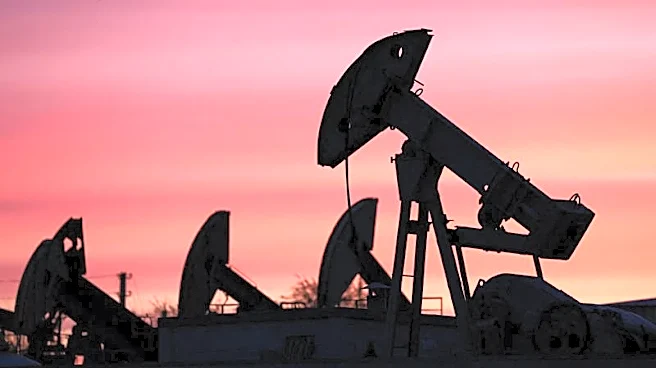
global oil supply, leading to increased prices. Investors are anticipating a prolonged conflict, with futures prices rising. The situation has led to panic buying and strategic stockpiling in regions like Asia and Europe, where concerns about energy availability are growing. Despite the U.S.'s relative energy independence, domestic growth remains fragile, with unemployment rising and economic disparities widening.
Why It's Important?
The closure of the Strait of Hormuz is a critical issue for the global economy, as it affects oil supply and prices worldwide. A prolonged disruption could lead to a recession, impacting economic growth, employment, and consumer behavior. The situation highlights the interconnectedness of global markets and the potential for geopolitical conflicts to have widespread economic consequences. The U.S., despite its energy independence, is not immune to these effects, as domestic economic challenges persist. The warning from El-Erian underscores the urgency for a resolution to prevent further economic instability.
What's Next?
The global economy is closely monitoring developments in the Strait of Hormuz, with hopes for a resolution to the conflict. If the strait remains closed, countries may need to explore alternative energy sources and strategies to mitigate the impact on oil supply. Economists and policymakers will likely focus on measures to support economic growth and stability, including potential stimulus packages and international cooperation. The situation may also prompt discussions on energy security and diversification to reduce reliance on vulnerable supply routes.