



What's Happening?
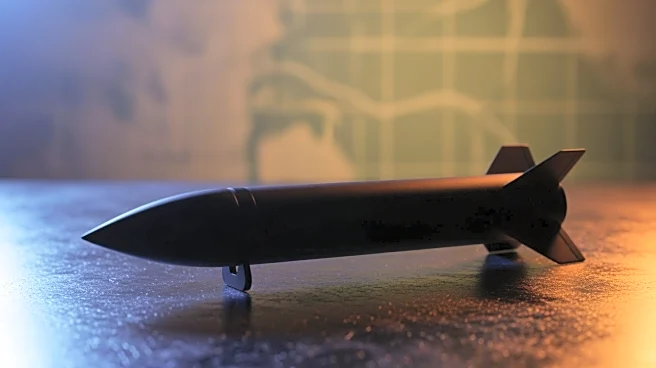
The U.S. military has launched over 850 Tomahawk cruise missiles in a four-week conflict with Iran, raising concerns within the Pentagon about the depletion of these precision weapons. The high usage rate has prompted discussions on how to replenish the limited
supply, as only a few hundred are manufactured annually. The Tomahawk missiles, valued for their long-range capabilities, have been a staple in U.S. military operations since the Persian Gulf War. The current conflict has highlighted the need for strategic planning to ensure sufficient stockpiles for future military engagements.
Why It's Important?
The extensive use of Tomahawk missiles underscores the strategic challenges faced by the U.S. military in maintaining readiness for multiple potential conflicts. The depletion of these missiles could impact the U.S.'s ability to respond to future threats, particularly in regions like the Indo-Pacific. The situation also raises questions about the sustainability of current military strategies and the need for increased production capabilities. The Pentagon's focus on replenishing stockpiles reflects broader concerns about military preparedness and resource allocation in an era of complex global threats.
What's Next?
The Pentagon is likely to engage in discussions with defense contractors to increase the production of Tomahawk missiles. This may involve negotiations for additional funding from Congress to support the manufacturing and replenishment of military stockpiles. The U.S. military will also need to assess its strategic priorities and resource allocation to ensure readiness for future conflicts. The situation may prompt a reevaluation of military strategies and the development of alternative solutions to address potential shortages in critical munitions.