





What's Happening?
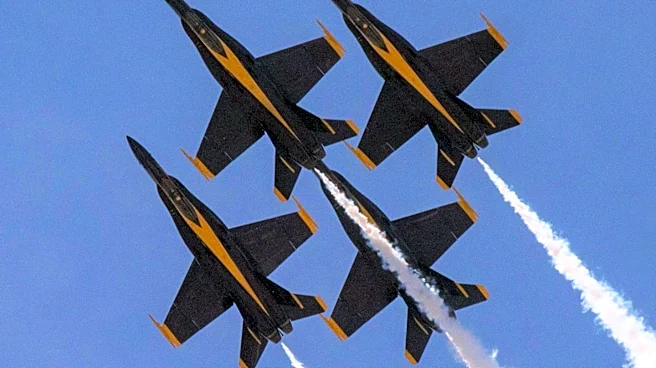
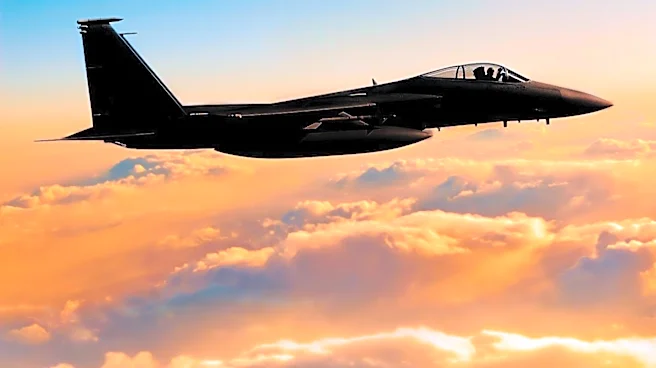
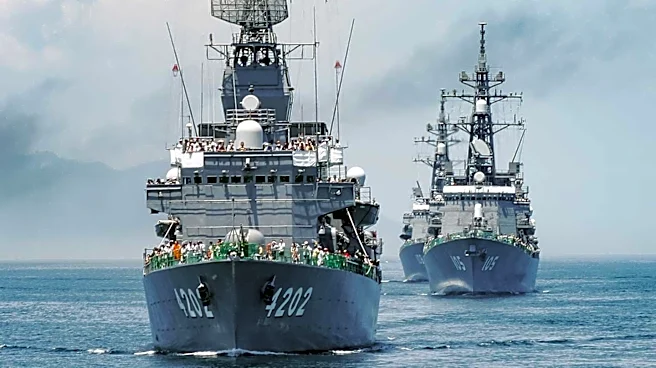
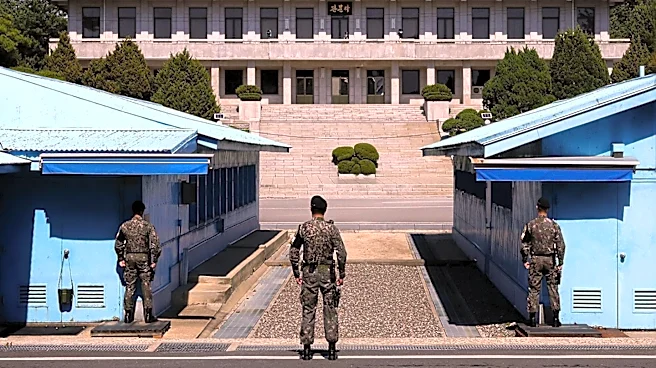
The United States and South Korea have concluded their joint military exercises six days earlier than planned, ending on Friday instead of the originally scheduled duration. This decision was made at the request of the United States, as confirmed by South Korea's
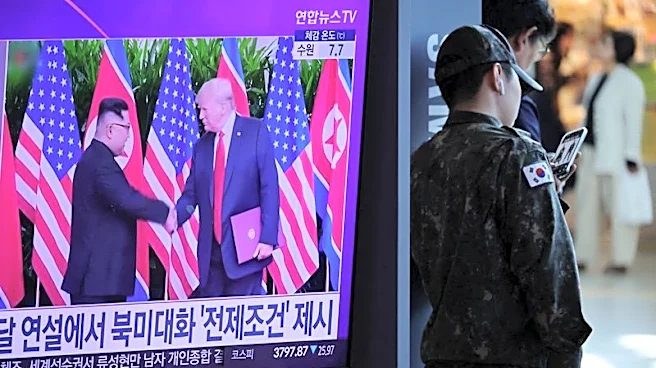
General Staff and Foreign Minister Cho Hyun. The exercises, which began on Monday, are a regular feature of the alliance between the two nations, designed to enhance readiness and interoperability. The early cessation of these drills comes amidst a broader context of President Trump's administration seeking to engage with North Korea and re-evaluate long-standing military commitments. President Trump has previously expressed a desire to reduce the scale and cost of such exercises, viewing them as provocative to North Korea and financially burdensome.
Why It's Important?
The early termination of joint military exercises between the U.S. and South Korea carries significant geopolitical weight, particularly concerning regional stability and alliances. This move could be interpreted in various ways: as a gesture of goodwill towards North Korea, potentially aimed at de-escalating tensions and fostering diplomatic engagement, or as a signal of President Trump's administration's continued re-evaluation of traditional military alliances and commitments. For South Korea, the decision, while made at the U.S.'s request, could raise questions about the consistency of their defense posture and the reliability of U.S. security guarantees. It might also influence the dynamics of inter-Korean relations and the broader security architecture in East Asia. Critics might argue that such actions could embolden adversaries or create uncertainty among allies, while proponents might see it as a pragmatic step towards reducing regional friction and promoting dialogue. The decision also highlights the U.S.'s evolving foreign policy under President Trump, prioritizing direct engagement and cost-efficiency over established military protocols.
What's Next?
The early conclusion of the U.S.-South Korea military drills is likely to be followed by close observation of reactions from North Korea, China, and other regional actors. The Trump administration may seek to leverage this decision as a diplomatic opening for further negotiations with North Korea on denuclearization or other security issues. South Korea will likely engage in internal discussions and consultations with the U.S. to assess the implications for their defense strategy and alliance. There could be increased diplomatic activity in the region, with various parties attempting to understand the long-term intentions behind this shift. Future military exercises between the U.S. and South Korea may be subject to further adjustments in scale, frequency, or duration, reflecting the ongoing strategic recalibration. The decision could also influence domestic political debates in both the U.S. and South Korea regarding defense spending, alliance commitments, and foreign policy priorities.
Beyond the Headlines
Beyond the immediate military and diplomatic implications, the shortening of the U.S.-South Korea drills reflects a deeper philosophical shift in President Trump's foreign policy approach. This move challenges the long-held paradigm of 'peace through strength' and continuous military presence, instead favoring a more transactional and less interventionist stance. It raises fundamental questions about the future of U.S. alliances, particularly in regions where the U.S. has maintained a significant military footprint for decades. The decision could also be seen as part of a broader strategy to reduce U.S. military expenditures abroad and reallocate resources domestically. Ethically, it prompts discussions about the balance between maintaining strong alliances for collective security and pursuing diplomatic overtures that might be perceived as concessions. Culturally, it could impact the perception of U.S. reliability among allies and adversaries alike, potentially reshaping international relations and power dynamics in the long term. This event underscores the complex interplay between domestic political priorities, economic considerations, and global security strategies.