



What's Happening?
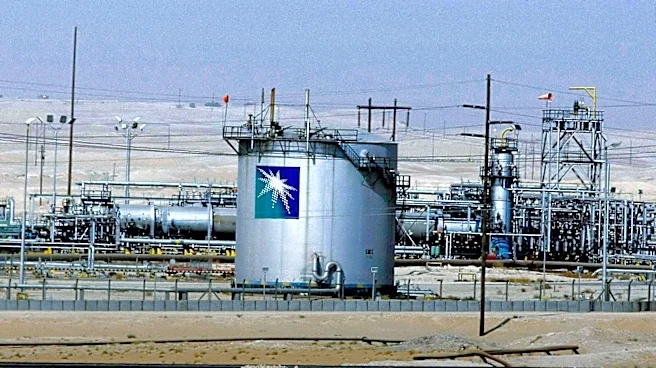
Syria and Iraq have signed agreements to rebuild a historic oil pipeline between the two countries, aiming to bypass the strategic Hormuz Strait. The pipeline, originally constructed in 1952 and shut down since the U.S. invasion of Iraq in 2003, is expected
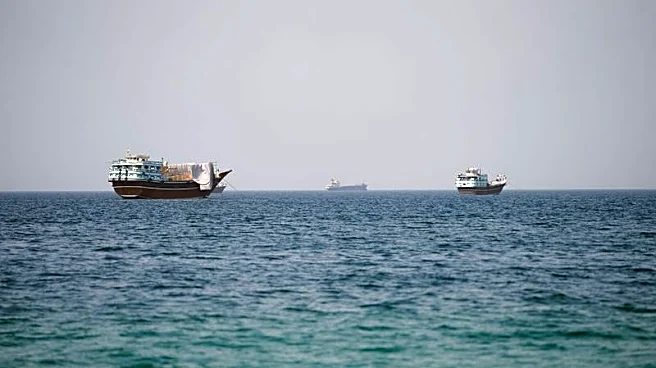
to have a capacity of about 2 million barrels of crude oil per day. This development comes amid ongoing tensions in the Hormuz Strait, a critical chokepoint for global oil shipments, exacerbated by the conflict between the U.S. and Iran. The project is seen as a strategic move to establish Syria as a key player in the energy market, leveraging improved relations with the U.S. under interim President Ahmad al-Sharaa.
Why It's Important?
The proposed pipeline could significantly alter the dynamics of global oil transportation by providing an alternative route that circumvents the volatile Hormuz Strait. This could enhance energy security for countries reliant on Middle Eastern oil, particularly in Europe, by reducing dependency on a single chokepoint. For Syria, the project represents an opportunity to strengthen its economic position and energy security, while Iraq seeks to increase its export capacity. However, the project faces challenges, including the need for substantial investment and the political instability in the region, which could deter potential investors.
What's Next?
The reconstruction of the pipeline is expected to take approximately two and a half years. During this period, stakeholders will need to address financial, logistical, and security challenges. The success of the project will depend on sustained political stability in Syria and Iraq, as well as continued support from international partners. The outcome of ongoing U.S.-Iran negotiations could also impact the project's viability, as a resolution might reduce the strategic necessity of bypassing the Hormuz Strait.