




What's Happening?
Meteorologists and scientists are closely monitoring the development of a strong El Niño, which is expected to form in the coming weeks. This natural climate pattern, characterized by unusually warm ocean temperatures in the central and eastern Pacific,
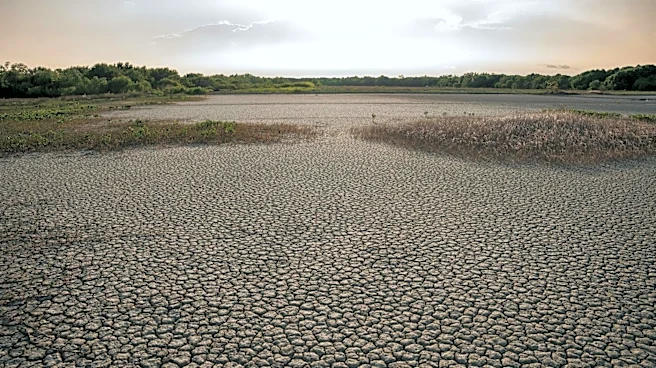
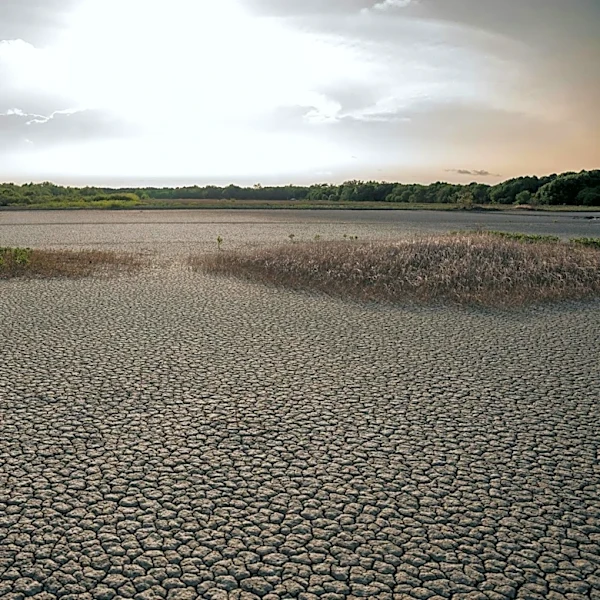
is anticipated to be among the strongest in recent history. The National Oceanic and Atmospheric Administration (NOAA) has indicated that ocean surface temperatures in the El Niño region have been rising, suggesting a high likelihood of a strong event. Historically, El Niño has been associated with significant weather disruptions, including wildfires, flooding, and droughts. The potential arrival of this El Niño comes at a time when temperatures have already been above normal in many parts of the Western United States and the Pacific.
Why It's Important?
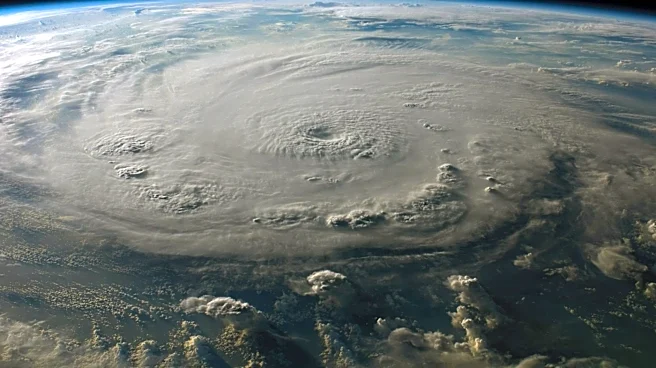
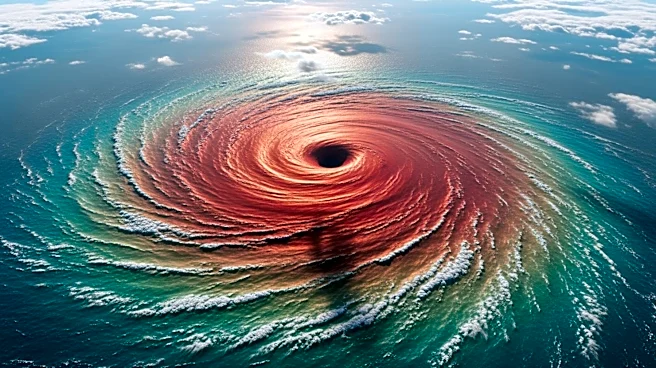
The emergence of a strong El Niño could have widespread implications for global weather patterns, potentially exacerbating existing climate challenges. In the United States, regions such as the West and Southwest, which have experienced record warm winters, may face increased risks of extreme weather events. The phenomenon could also influence hurricane activity in the Atlantic, potentially reducing the number of storms but not eliminating the risk of major hurricanes. Additionally, El Niño's impact on marine ecosystems, including coral bleaching and disruptions to marine life, could have significant ecological and economic consequences. The global nature of El Niño means its effects will be felt far beyond the Pacific, influencing weather and climate conditions worldwide.
What's Next?
As the summer progresses, more accurate forecasts are expected, providing clearer insights into the potential strength and impact of the upcoming El Niño. NOAA's next update is scheduled for May 14, which will offer further details on the evolving situation. Stakeholders, including government agencies, businesses, and communities, will need to prepare for the possible impacts of this climate event. This preparation may involve implementing strategies to mitigate the effects of extreme weather, such as enhancing infrastructure resilience and developing emergency response plans.
Beyond the Headlines
The potential for a strong El Niño highlights the broader challenges posed by climate change, as rising global temperatures may amplify the effects of natural climate patterns. This situation underscores the importance of continued research and monitoring to better understand and predict climate phenomena. Additionally, the event may prompt discussions on the need for international cooperation in addressing climate-related challenges, as the impacts of El Niño are felt across borders.