







What's Happening?
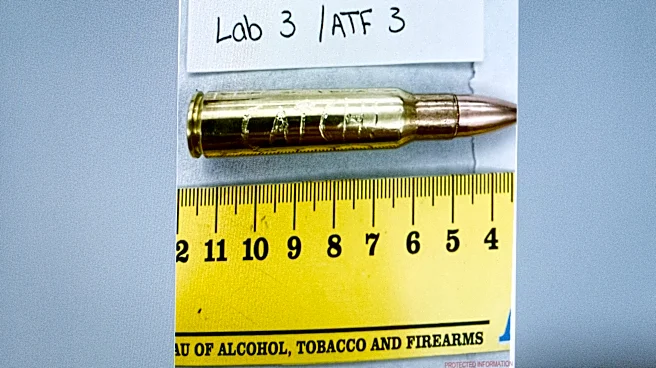
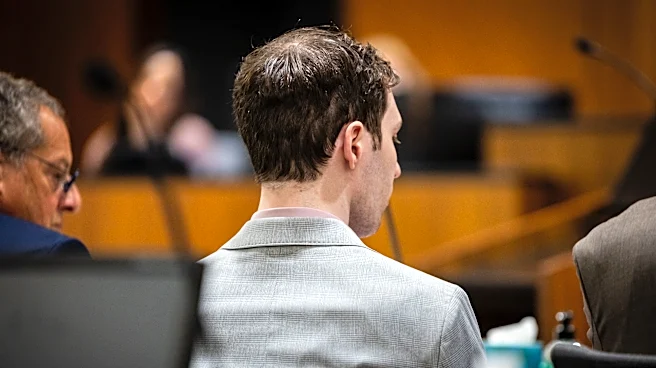
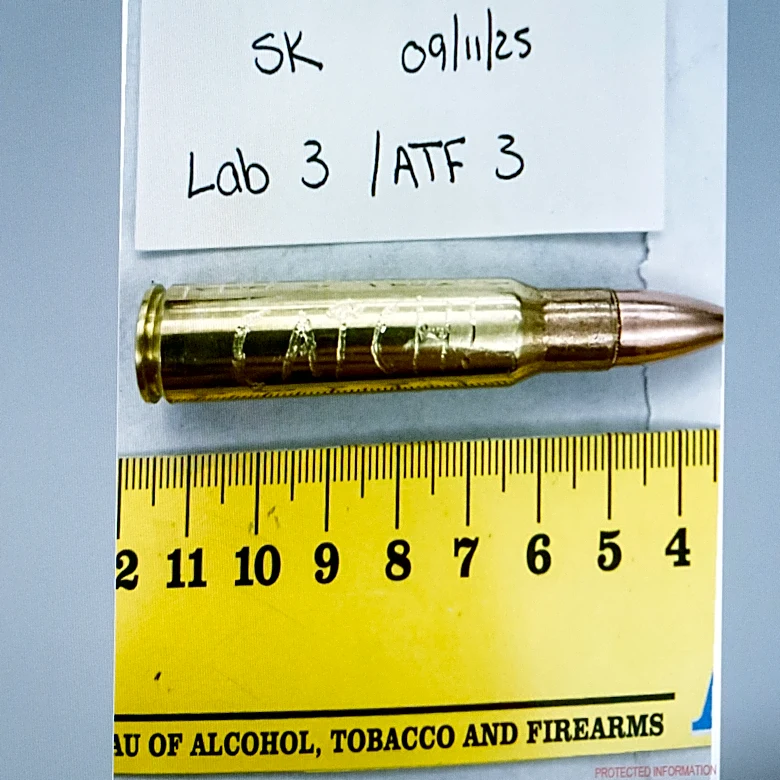
In Provo, Utah, the defense team for Tyler Robinson, accused of killing conservative activist Charlie Kirk, is questioning the reliability of evidence presented by prosecutors. During a preliminary hearing, the defense highlighted potential flaws in DNA
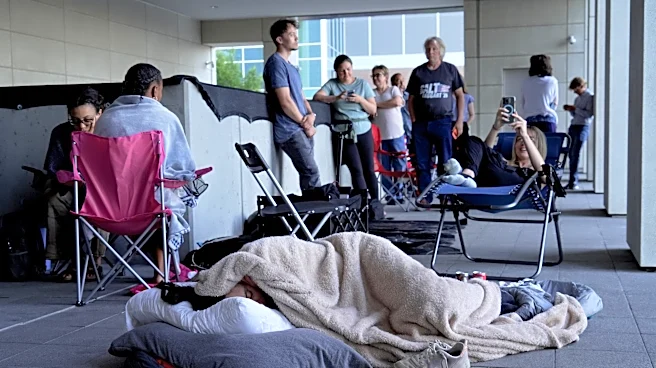
testing, suggesting that DNA could be transferred by third parties, thus challenging the prosecution's claims. Prosecutors, however, maintain that they have overwhelming evidence, including DNA tests and confessions, linking Robinson to the crime. The case revolves around the shooting of Kirk at Utah Valley University, where Robinson allegedly fired a bullet that struck Kirk in the neck. The hearing included emotional moments for Kirk's family, who watched surveillance footage purportedly showing Robinson at the scene.
Why It's Important?
The case has significant implications for the legal system, particularly in how DNA evidence is perceived and utilized in court. The defense's challenge to the DNA evidence could influence future cases, especially those relying heavily on forensic science. Additionally, the case has political ramifications, given Kirk's prominence as a conservative figure and his association with President Trump. The outcome could impact public perception of justice in politically charged cases and influence discussions on the death penalty, as Robinson faces potential capital punishment if convicted.
What's Next?
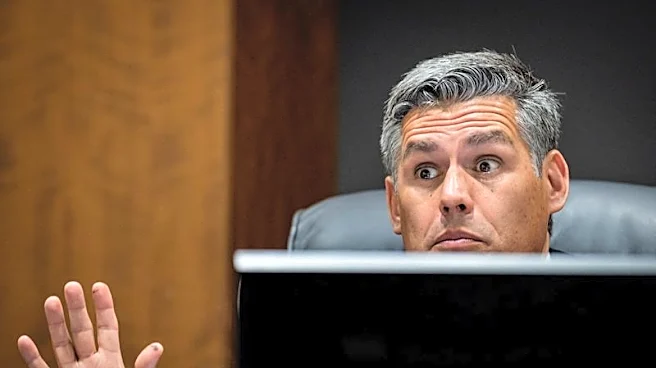
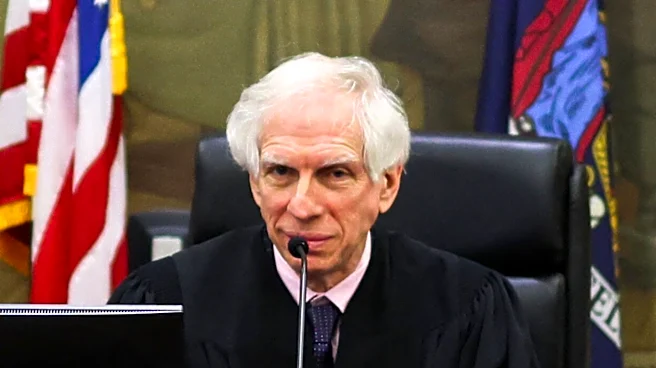
Judge Tony Graf is set to decide whether the case will proceed to trial after closing arguments scheduled for September 1. The decision will determine the next phase of legal proceedings and could set a precedent for how similar cases are handled. The defense may continue to challenge the evidence, while prosecutors will aim to solidify their case. The trial, if it proceeds, is likely to attract significant media attention and public interest, given the high-profile nature of the victim and the political context.