





What's Happening?
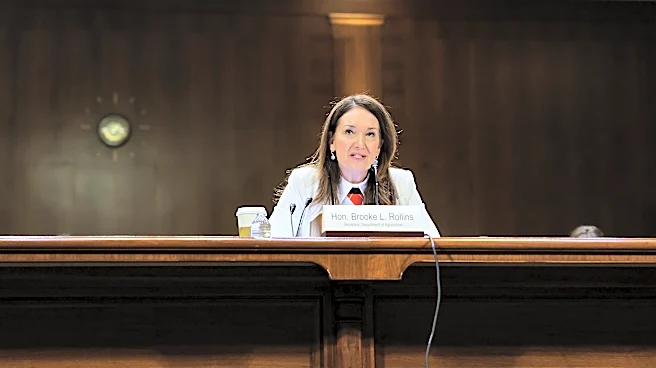
Agriculture Secretary Brooke Rollins introduced the USDA's proposed data modernization plan at the 2026 Farm Progress Show. This initiative aims to enhance technological advancements already in use across the USDA, including satellite-based crop monitoring,
geospatial analysis, cloud-based platforms, and improved online reporting tools. The plan also seeks to better coordinate the use of existing administrative data. According to Secretary Rollins, a key objective is to build trust and transparency with farmers by safeguarding producer privacy, clearly explaining data requests and usage, and providing avenues for farmer feedback. Iowa farmer Lance Lillibridge expressed encouragement regarding the USDA's efforts, noting that farmers are actively involved in the process and that improvements to agricultural data collection have long been necessary due to a perceived lack of trust in current reporting methods. Lillibridge emphasized the importance of accurate reporting for food and national security, stating that the USDA must be the global standard for agriculture.
Why It's Important?
The USDA's data modernization plan is significant for the U.S. agricultural sector, as it addresses long-standing concerns about data accuracy and transparency. By improving data collection and analysis, the USDA can provide more reliable information to farmers, policymakers, and the public, which is crucial for informed decision-making in a volatile agricultural market. Enhanced data privacy measures and clear communication about data usage are expected to foster greater trust between the USDA and producers, potentially increasing participation in data-sharing initiatives. This could lead to more comprehensive and accurate agricultural statistics, benefiting farmers through better market insights and more effective policy development. The focus on technological advancements like satellite monitoring and cloud platforms also positions U.S. agriculture to leverage cutting-edge tools for efficiency and sustainability, impacting everything from crop yields to resource management. Ultimately, a more robust and trusted data infrastructure can strengthen the U.S. position in global food security and agricultural trade.
What's Next?
The USDA's data modernization plan is in its initial rollout phase, with Secretary Rollins continuing to engage with farmers to gather input. The ongoing dialogue with producers, as highlighted by Lance Lillibridge's participation in a recent Washington D.C. meeting, indicates a collaborative approach to refining the plan. Future steps will likely involve the implementation of the proposed technological advancements, such as expanding satellite-based monitoring and cloud platforms. The USDA will also need to develop and enforce clear guidelines for data privacy and usage to maintain and build farmer trust. The success of this initiative will depend on its ability to demonstrate tangible benefits to farmers, such as improved market access, more accurate forecasting, and streamlined reporting processes. Continued feedback mechanisms will be essential to adapt the plan to the evolving needs of the agricultural community and ensure its long-term effectiveness.
Beyond the Headlines
The USDA's data modernization effort extends beyond mere technological upgrades; it touches upon fundamental issues of trust, governance, and the future of American agriculture. The historical lack of trust in agricultural reporting, as noted by Iowa Corn's letter, underscores a deeper challenge in government-farmer relations. By prioritizing producer privacy and transparency, the USDA is attempting to rebuild this trust, which is vital for effective policy implementation and industry stability. The integration of advanced technologies also raises questions about digital equity and access for all farmers, particularly those in rural areas with limited internet infrastructure. Furthermore, the emphasis on accurate data for national and food security highlights the strategic importance of agriculture in a global context, linking domestic farming practices to broader geopolitical concerns. This initiative could set a precedent for how government agencies interact with and support critical industries in the digital age, balancing innovation with the practical needs and concerns of its stakeholders.