




What's Happening?
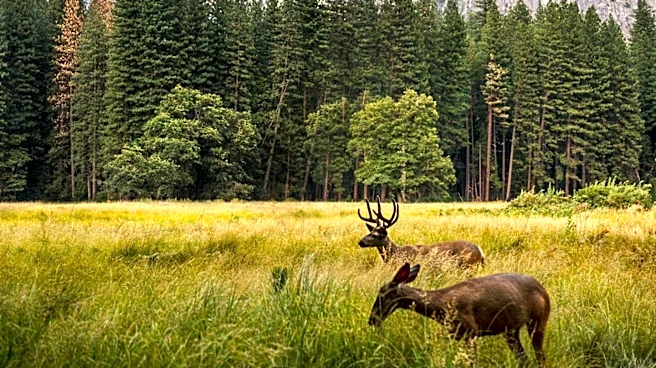
Across several U.S. states, including New York, Wisconsin, New Jersey, and Minnesota, state parks are increasingly opening or expanding access for hunting, primarily to manage deer populations. This trend is driven by ecological concerns, as park managers
report severe forest degradation due to over-browsing by deer. For instance, Harriman State Park in New York, which historically restricted hunting, began a weekday deer hunt in 2025 to restore damaged forests. Similarly, Wisconsin's 2013 Sporting Heritage Act opened nearly all state parks to hunting and trapping. Each park implements varying regulations, such as specific hunting days, designated zones, and permit requirements. In some parks, like Devil's Lake State Park in Wisconsin, hunting seasons can span several weeks in fall and spring, leading to shared trail use between hunters and other park visitors. This expansion often necessitates new rules for both hunters and non-hunters, including safety zones around trails and buildings, and recommendations for hikers to wear blaze orange.
Why It's Important?
The expansion of hunting in state parks signifies a shift in wildlife management strategies, prioritizing ecological restoration over exclusive recreational use in certain areas. This approach aims to mitigate the environmental damage caused by overpopulated deer, which can harm native plant species and ecosystems. However, it also creates potential conflicts and safety concerns for other park users, such as hikers and nature enthusiasts, who may not be accustomed to sharing trails with hunters. The varying regulations across states and individual parks highlight a lack of a unified national policy, leading to a patchwork of rules that visitors must navigate. This situation impacts public perception of state parks, potentially altering visitor experiences and raising questions about the balance between conservation efforts, public safety, and diverse recreational activities. The economic impact on local communities, through hunting permits and related tourism, could also be a factor in these decisions.
What's Next?
As more state parks open to hunting, ongoing adjustments to regulations and public awareness campaigns are likely. Park authorities will need to continuously monitor the ecological effectiveness of hunting programs and address any safety incidents or public complaints. There may be increased calls for clearer signage, more defined hunting and non-hunting zones, and enhanced communication to ensure the safety of all park users. Public hearings and community engagement will likely continue as stakeholders debate the appropriate balance between wildlife management and recreational access. States might also explore alternative deer management strategies or refine existing ones based on the outcomes observed in parks that have implemented hunting. Furthermore, the trend could lead to legislative reviews of state park policies, potentially resulting in more standardized guidelines or increased funding for wildlife management programs.
Beyond the Headlines
The integration of hunting into state park management reflects a broader philosophical debate about human interaction with natural environments and the role of conservation. It challenges the traditional view of parks as purely protected spaces for passive recreation, introducing a more active, interventionist approach to ecosystem health. This development also highlights the complex relationship between human activity and wildlife populations, particularly in areas where natural predators are scarce. Ethically, it raises questions about the value placed on individual animal lives versus ecosystem health, and the responsibility of park management to balance these considerations. Legally, the differing state laws and park-specific rules create a complex regulatory landscape, potentially leading to legal challenges regarding public safety or access rights. Culturally, it may reignite discussions about hunting as a tradition, a sport, and a necessary conservation tool in modern society.