


What's Happening?
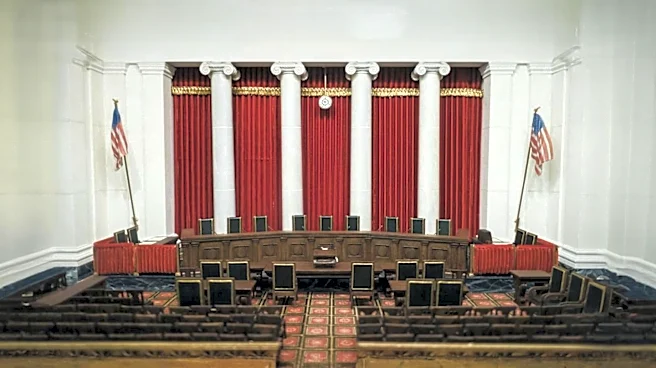
In a recent Supreme Court decision, Justices Ketanji Brown Jackson and Clarence Thomas presented opposing views on the interpretation of the Fourteenth Amendment. The case, Trump v. Barbara, involved the constitutionality of President Trump's executive
order on birthright citizenship. The Court struck down the order, with Jackson joining the majority opinion and writing a separate concurrence to address Thomas's dissent. Jackson argued for a universalist interpretation of the Citizenship Clause, while Thomas emphasized a historical context focused on the rights of freed slaves.
Why It's Important?
This case highlights ongoing debates within the Supreme Court regarding constitutional interpretation, particularly concerning the Fourteenth Amendment. The differing opinions of Justices Jackson and Thomas reflect broader ideological divides on issues of citizenship and equality. The decision has significant implications for immigration policy and the legal understanding of birthright citizenship, potentially influencing future cases and legislative actions.
Beyond the Headlines
The case underscores the complexity of interpreting historical amendments in modern contexts. Jackson's use of contemporary language and metaphors in her opinion reflects a shift towards more accessible legal reasoning, which may influence public perception and understanding of Supreme Court decisions. The debate also raises questions about the role of historical context versus modern values in constitutional interpretation.