






What's Happening?
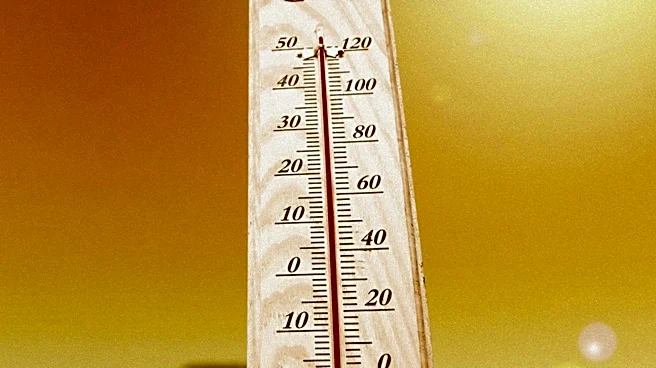
A new heat dome is forecast to develop over parts of the western and northern United States, potentially breaking all-time temperature records in several cities. This meteorological phenomenon, characterized by a strong area of high pressure trapping
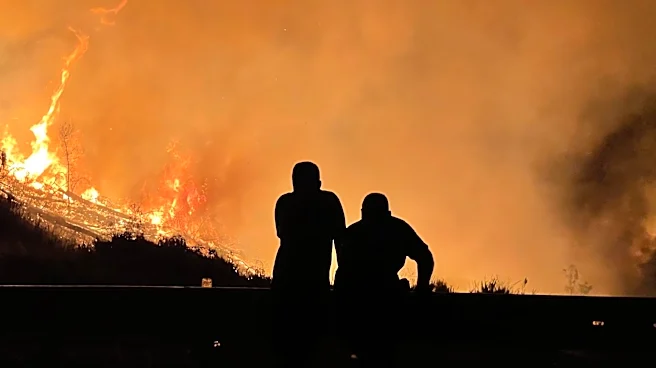
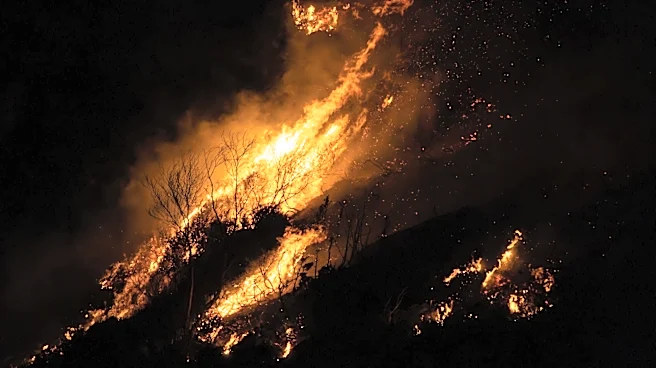
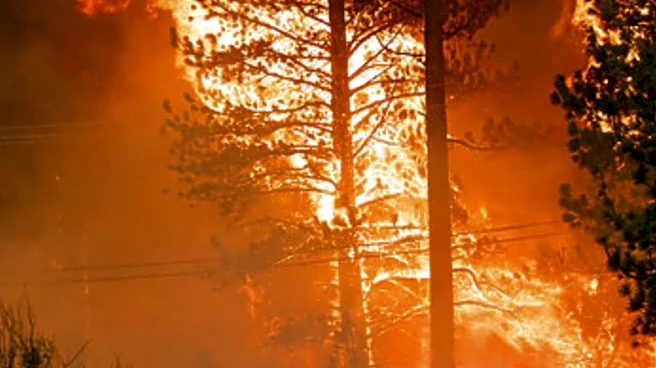
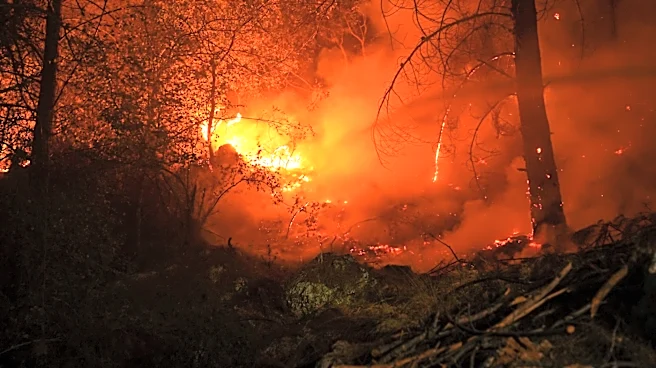
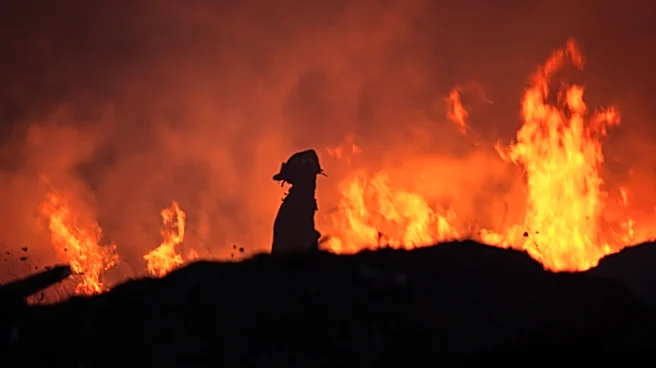
hot air, is expected to bring extreme heat to regions including Utah, Idaho, Montana, the Dakotas, and parts of Minnesota. The heat dome follows a previous heat wave that affected the Midwest, South, and East, bringing triple-digit temperatures to over 200 million people. The current heat dome is anticipated to exacerbate drought conditions and increase wildfire risks across the West, with cities like Billings, Montana, and Salt Lake City, Utah, potentially reaching record high temperatures.
Why It's Important?
The development of this heat dome is significant due to its potential impact on public health, agriculture, and the environment. Extreme heat poses immediate health risks, particularly for vulnerable populations, and can lead to increased energy demand as people seek to cool their homes. The prolonged high temperatures are likely to worsen existing drought conditions, affecting water supply and agricultural productivity. Additionally, the heightened risk of wildfires could lead to property damage, displacement of communities, and further strain on emergency services. The economic implications are substantial, with potential losses in agriculture, increased healthcare costs, and infrastructure stress.
What's Next?
As the heat dome intensifies, the National Weather Service has issued extreme heat watches and warnings across affected regions. Residents are advised to take precautions against heat-related illnesses, such as staying hydrated and avoiding outdoor activities during peak heat. Emergency services and local governments may need to prepare for increased demand and potential evacuations due to wildfires. The situation will require close monitoring, with potential shifts in the heat dome's impact area necessitating updates to advisories and emergency plans.