




What's Happening?
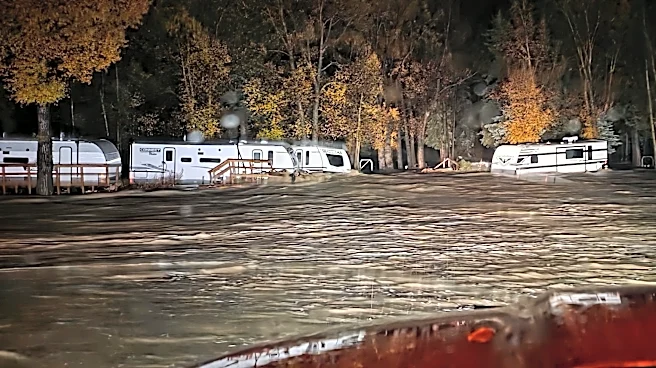
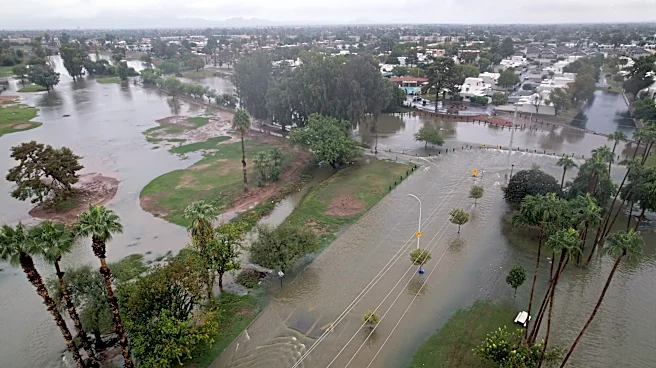
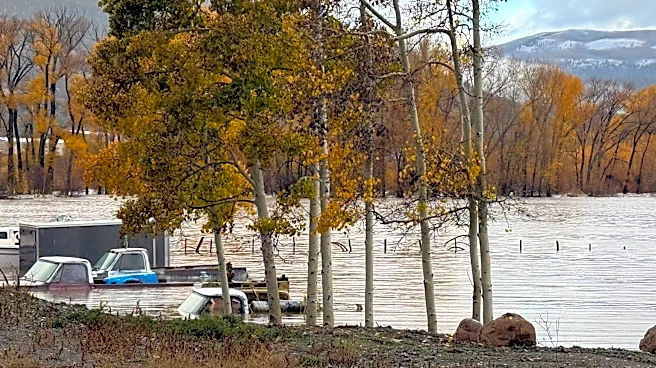
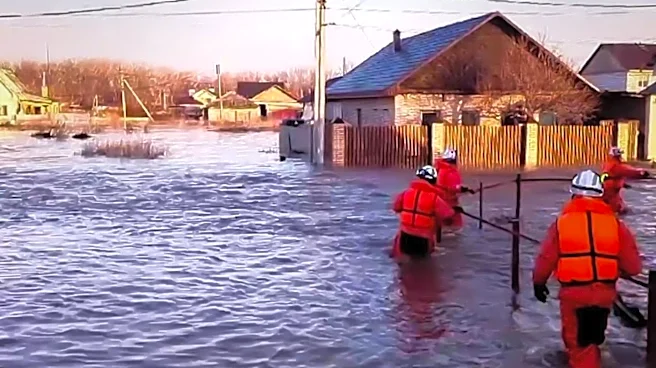
Rapidly rising floodwaters across Arizona have triggered emergency 'GO' evacuation orders and numerous water rescues in several communities. Yavapai County officials reported that floodwaters have overrun multiple homes in Lake Montezuma. Evacuation orders are
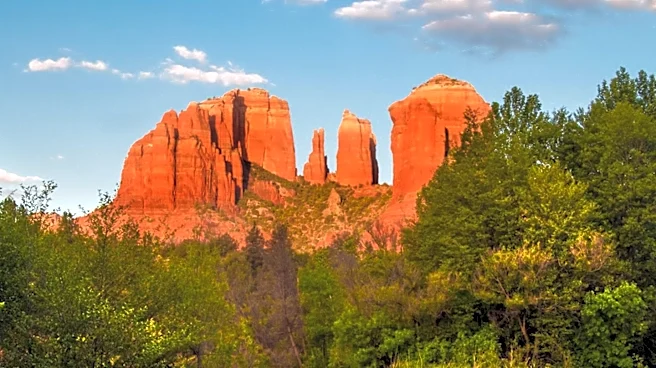
in effect for areas near rivers and washes in Camp Verde, Winslow (along the Little Colorado River), Tonto Basin, and the San Carlos Apache Tribe lands (due to a rapid rise in the San Carlos River). In Cornville and Cottonwood, residents in Lower Oak Creek neighborhoods and specific zones near Bates Road, respectively, have been directed to evacuate. Gisela and Western Queen Valley also face 'GO' evacuation orders. Sedona is experiencing significant flooding, with firefighters conducting an 'excessive amount' of water rescues and evaluating multiple people trapped in their homes. Shelters have been established across various counties to assist displaced residents.
Why It's Important?
The widespread and active flooding across Arizona represents a critical public safety crisis, directly impacting thousands of residents and straining emergency resources. The issuance of 'GO' evacuation orders signifies immediate danger, requiring rapid response and coordination from multiple county and tribal authorities. The high volume of water rescues, particularly in Sedona, underscores the life-threatening nature of the situation and the vulnerability of communities situated near waterways. For affected residents, these events lead to displacement, potential loss of property, and significant emotional distress. The establishment of numerous shelters highlights the humanitarian aspect of the crisis, providing essential support for those forced to leave their homes. This situation also places immense pressure on local infrastructure and emergency services, demanding efficient resource allocation and inter-agency cooperation.
What's Next?
As floodwaters continue to rise in some areas, residents under 'GO' evacuation orders must evacuate immediately. Emergency services will remain focused on water rescues and ensuring the safety of those in danger. Shelters across Gila, San Carlos Apache, Navajo, Pinal, White Mountain Apache, and Yavapai counties will continue to provide refuge and support for displaced individuals and their pets. The American Red Cross is actively involved, advising affected individuals to call their hotline or visit a shelter. Yavapai County has also set up an emergency phone bank for updates. Once the immediate threat subsides, communities will face significant recovery efforts, including damage assessment, cleanup, and potential long-term rebuilding, which will require sustained support from local, state, and potentially federal agencies.
Beyond the Headlines
The ongoing flooding in Arizona reveals deeper systemic challenges related to climate change, land use planning, and disaster preparedness. The repeated need for evacuations in various communities suggests that some areas are inherently vulnerable to hydrological events, prompting questions about sustainable development and infrastructure resilience. The involvement of tribal lands, such as the San Carlos Apache Tribe and White Mountain Apache Tribe, highlights the disproportionate impact of environmental disasters on indigenous communities and the need for culturally sensitive and robust emergency response plans. This event also underscores the critical role of community support networks and non-profit organizations like the American Red Cross in providing immediate relief and long-term recovery assistance, pointing to the importance of collaborative efforts beyond governmental agencies.