



What's Happening?
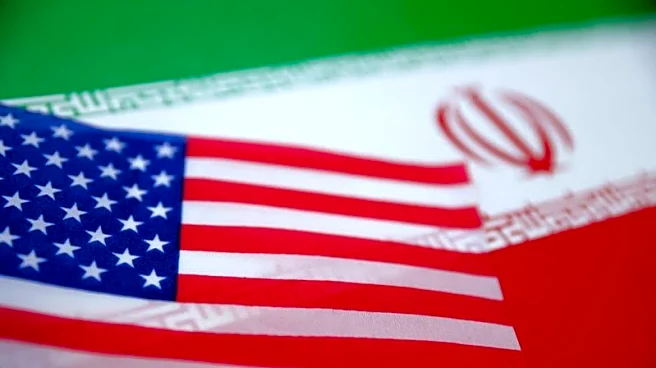
Iran's Foreign Minister Abbas Araghchi has arrived in Geneva for a third round of indirect negotiations with US representatives concerning Iran's nuclear program. These talks, mediated by Oman's Foreign Minister Sayyid Badr bin Hamad Al Busaidi, follow
previous rounds held in Muscat and Geneva. The discussions are crucial as they occur amidst heightened tensions between the US and Iran, with the US reportedly prepared for potential military action against Iran. Iran insists on indirect talks and seeks a fair and balanced agreement, emphasizing the removal of sanctions. The negotiations are seen as a pivotal moment for both nations, with Iran maintaining an optimistic outlook on reaching a favorable outcome.
Why It's Important?
The outcome of these negotiations could significantly impact regional stability and US-Iran relations. A successful agreement may prevent military confrontation and ease economic sanctions on Iran, potentially stabilizing its economy. Conversely, failure to reach a deal could escalate tensions, leading to military conflict that might affect global oil prices and regional security. The US aims to prevent Iran from obtaining nuclear weapons while ensuring the security of its allies, particularly Israel and Gulf states. The talks are a critical opportunity for diplomacy, with both sides under pressure to demonstrate progress.
What's Next?
If the negotiations fail, the US may consider military options, which could lead to broader regional conflict. Iran has warned that US military bases in the Middle East would be legitimate targets, posing risks to American service members. The talks are crucial for assessing Iran's seriousness in reaching a deal, with the US also concerned about Iran's conventional weapons. The diplomatic efforts continue under the mediation of Oman, with both sides seeking to avoid military escalation.