

What's Happening?
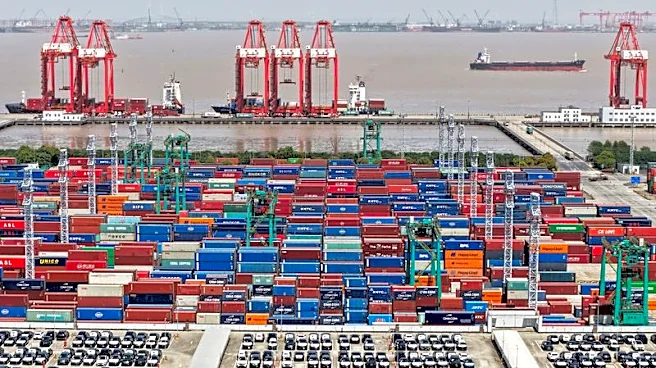
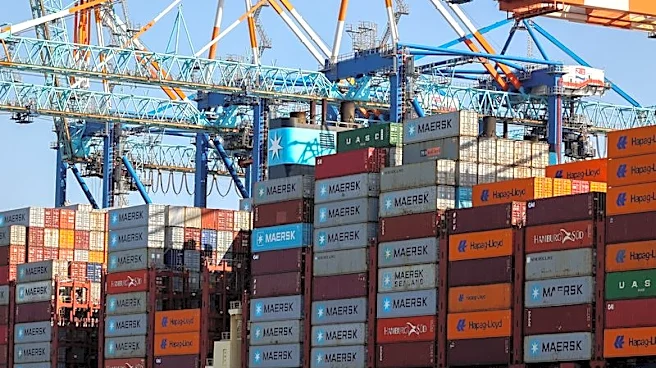
China's exports grew by 23.9% in July, exceeding analysts' expectations of 22.2% growth. This increase, although slower than June's 27% surge, was driven by global demand for high-tech components, particularly in the AI sector. Imports also rose by 27.5%,
slightly below the anticipated 27.9%. The growth in exports was supported by a significant increase in shipments of integrated circuits, electric vehicles, and other high-tech products. The trade surplus for July was $112.5 billion, surpassing estimates but narrowing from June's $125.6 billion.
Why It's Important?
China's robust export performance highlights the country's pivotal role in the global supply chain, especially in high-tech industries. The surge in exports of AI-related components underscores the growing demand for technology infrastructure worldwide. This trend benefits Chinese manufacturers and contributes to the country's economic resilience amid geopolitical tensions. However, the increase in exports to the U.S. ahead of new tariffs indicates ongoing trade frictions that could impact future trade dynamics. The trade surplus also reflects China's strong position in international trade, which could influence global economic policies and negotiations.
What's Next?
China's export growth is likely to continue as global demand for high-tech products remains strong. However, the imposition of new U.S. tariffs could affect trade relations and lead to further negotiations between the two countries. China may also seek to diversify its export markets to mitigate the impact of potential trade barriers. Additionally, the country's focus on AI and technology exports could drive further investments in these sectors, enhancing its competitive edge in the global market. Policymakers will need to balance trade growth with domestic economic stability, particularly in light of potential external shocks.