






What's Happening?
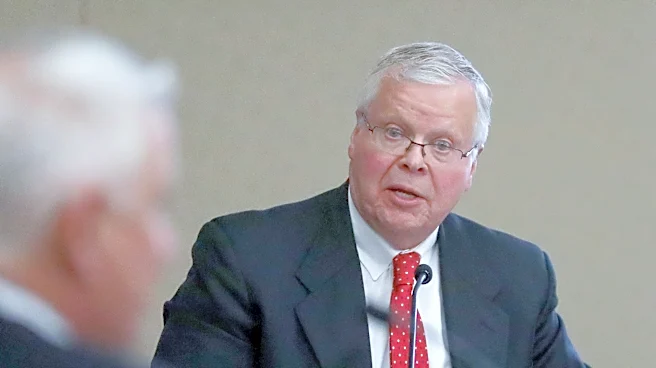
The University of Wisconsin Board of Regents has decided to terminate Jay Rothman, the president of the university system, following a closed-door meeting. Rothman, who has been in the position for over four years, was asked to resign or face termination,
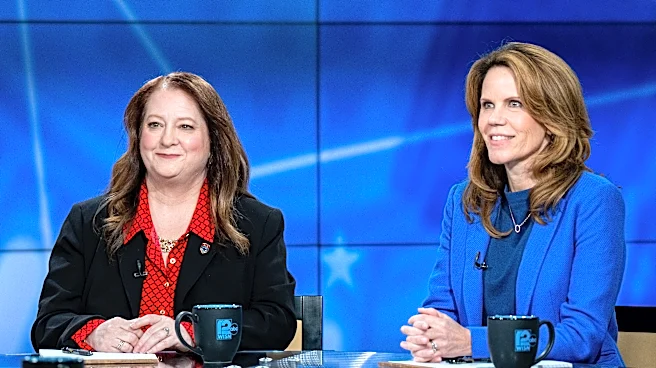
a request he refused without being given a clear reason for the board's lack of confidence in his leadership. Regent President Amy Bogost stated that Rothman had been given feedback on leadership expectations, but Rothman contended that no specific issues were cited. The decision has sparked criticism from Republican legislators, who accuse the regents of 'backroom maneuvering' that could destabilize the university system. Rothman, a former law firm chair with no prior experience in higher education administration, has been navigating challenges such as declining enrollment and budget negotiations with a Republican-controlled legislature.
Why It's Important?
The firing of Jay Rothman as president of the University of Wisconsin system is significant due to its potential impact on the governance and stability of the state's higher education institutions. The decision highlights ongoing tensions between the university's leadership and the Republican-controlled legislature, which oversees the system's budget. Rothman's termination could lead to further political scrutiny and influence over the university's operations, especially as the state Senate's committee on higher education plans to hold a hearing for regents appointed by Democratic Governor Tony Evers. This development may affect future funding and policy decisions, impacting students, faculty, and the broader educational landscape in Wisconsin.
What's Next?
The University of Wisconsin system faces a period of uncertainty as it seeks new leadership following Rothman's dismissal. The state Senate's committee on higher education is set to hold a hearing for regents appointed by Governor Evers, which could lead to changes in the board's composition and influence. Additionally, the flagship Madison campus is preparing for the departure of its chancellor, Jennifer Mnookin, who will become president of Columbia University. These leadership transitions may prompt a reevaluation of the university's strategic direction and priorities, particularly in areas such as enrollment management, budget allocation, and academic programming.