





What's Happening?
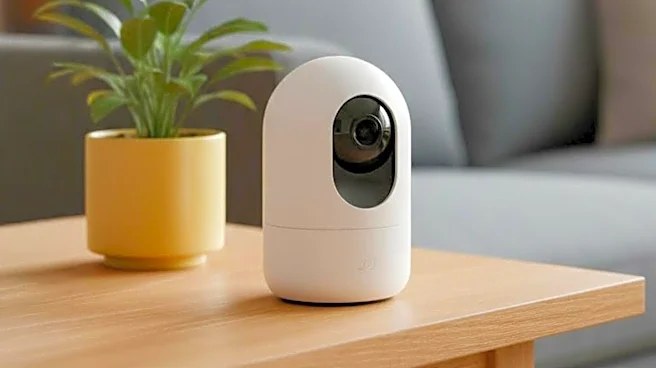
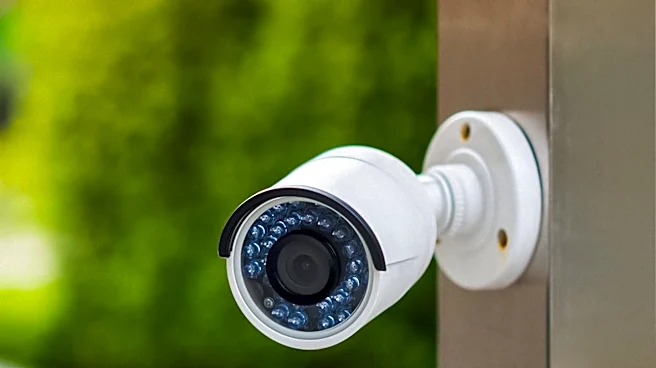
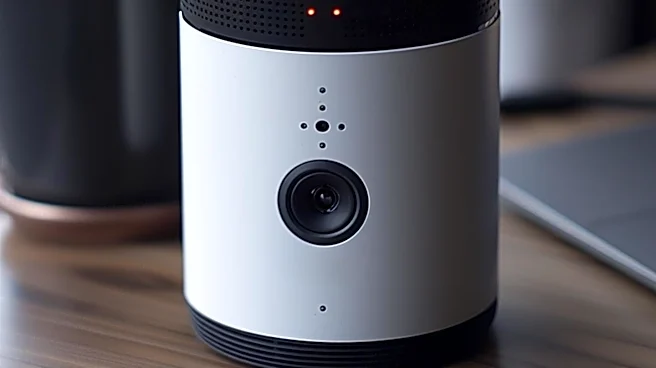
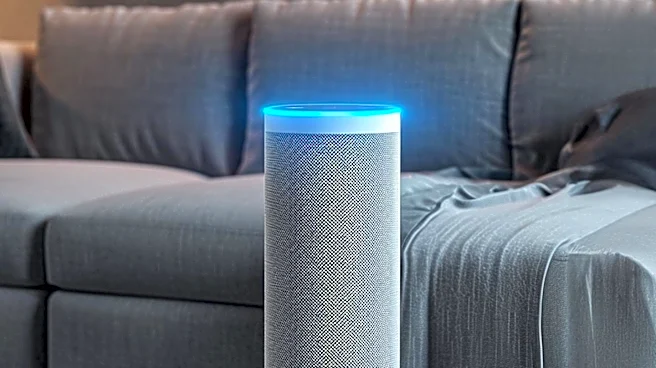
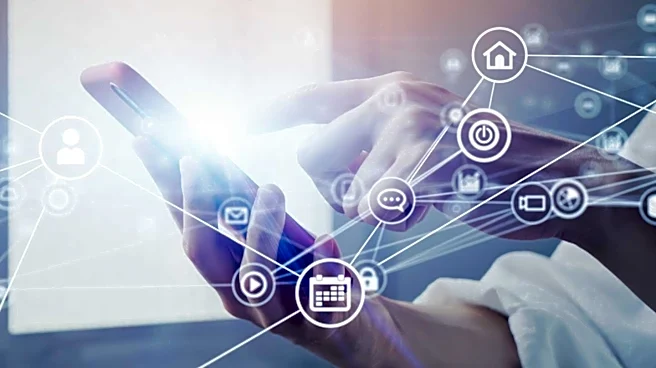
A new survey indicates that 70% of Americans now own up to 10 smart devices, ranging from thermostats to security cameras, with 59% considering their homes 'smart.' The most popular smart tech purchases in the last year include smart TVs (23%), doorbells
(22%), and outdoor cameras or lighting (16%). Looking ahead, homeowners are interested in smart doorbells, lighting, solar panels, and locks. A significant driver for future adoption is caregiving, as 42% of homeowners currently care for a family member or anticipate doing so within the next five years. Consequently, 45% are interested in home automation systems that can notify them of falls or other emergencies, and 31% desire devices for remote health monitoring of loved ones. Despite the growing adoption, only 24% of homeowners fully trust their smart devices regarding privacy. However, 39% are comfortable with AI detecting unusual activity around their homes, and 27% would be okay with AI unlocking doors at night. The average American has spent $560 on home security systems over the past five years, with 46% expressing increased concern about theft.
Why It's Important?
The increasing integration of smart home technology signifies a major shift in how Americans manage their households and personal security. This trend impacts various industries, including consumer electronics, home security, and healthcare technology. For the consumer electronics sector, it indicates sustained demand for innovative smart devices and services. The home security industry is seeing a pivot towards integrated, AI-powered solutions, reflecting heightened consumer concerns about theft. Furthermore, the growing interest in smart devices for caregiving highlights an emerging market for health-monitoring and emergency notification systems, which could transform elder care and remote assistance. This shift also presents challenges, particularly concerning data privacy and security, as consumer trust remains a significant hurdle. Companies that can effectively address these privacy concerns while delivering reliable and user-friendly solutions are likely to gain a competitive advantage. The willingness of some consumers to embrace AI for security functions also suggests a potential for more advanced, automated home management systems in the future.
What's Next?
The smart home market is poised for continued expansion, with manufacturers likely focusing on developing more integrated and intuitive systems that address both convenience and critical needs like security and caregiving. We can expect to see advancements in AI capabilities for home automation, particularly in areas like predictive maintenance, personalized comfort settings, and enhanced security monitoring. Companies will likely invest more in robust cybersecurity measures and transparent data privacy policies to build consumer trust, which is currently a significant barrier to full adoption. The demand for smart devices that support remote health monitoring and emergency alerts will likely drive innovation in the healthcare technology sector, leading to more sophisticated sensors and communication systems. Additionally, as more devices become interconnected, there will be a greater emphasis on interoperability standards to ensure seamless integration across different brands and platforms. Policy discussions around data privacy and the ethical implications of AI in domestic settings may also intensify as these technologies become more ubiquitous.
Beyond the Headlines
The widespread adoption of smart home technology extends beyond mere convenience, touching upon deeper societal and ethical considerations. The reliance on AI for security and caregiving raises questions about algorithmic bias, data ownership, and the potential for surveillance. As homes become increasingly 'smart,' the line between personal privacy and technological utility blurs, prompting debates about how much control individuals retain over their data and their living spaces. There's also an emerging digital divide, where access to these advanced technologies might exacerbate existing inequalities, as not all households can afford the initial investment or ongoing maintenance. Furthermore, the environmental impact of manufacturing and powering numerous smart devices, as well as the disposal of electronic waste, presents a long-term sustainability challenge. The shift towards automated caregiving also has profound implications for human connection and the nature of care work, potentially altering family dynamics and the role of human caregivers. These broader implications will require careful consideration from policymakers, technologists, and society at large.