










What's Happening?
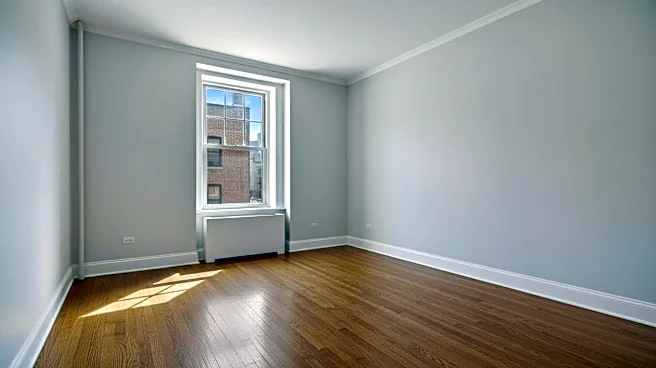
New York City is experiencing a significant increase in the vacancy rates of rent-stabilized apartments, with 57,000 units reported vacant in 2025. This represents a 5.6% vacancy rate, up from 3.7% a decade earlier, according to state data. The data,
self-reported by landlords, highlights a growing issue in the city's housing market, where a massive shortage persists. The vacancy rate had already risen to 7% in 2021, during the COVID-19 pandemic, as the city's population declined. The reasons for these vacancies are not entirely clear, as the data does not specify why units remain unoccupied or the extent of necessary repairs. Some experts, like Brendan Mitchell from the University Neighborhood Housing Program, suggest the vacancies are a result of the pandemic's aftermath, with courts clearing eviction backlogs. However, others, such as Michael Johnson from the New York Apartment Association, argue that economic factors are to blame, as property owners struggle to afford necessary renovations due to rent caps and low returns on investment.
Why It's Important?
The rising vacancy rates in rent-stabilized apartments are significant as they exacerbate New York City's ongoing housing crisis. With a high demand for affordable housing, the inability to utilize these units effectively impacts low-income residents who rely on such accommodations. The economic constraints faced by property owners, including the inability to raise rents due to city-imposed caps, further complicate the situation. This dynamic creates a challenging environment for both landlords and tenants, as landlords are unable to justify the costs of necessary renovations, leaving many units uninhabitable. The situation underscores the need for policy interventions that balance tenant protections with incentives for property owners to maintain and renovate their properties.
What's Next?
The future of New York City's rent-stabilized housing market may depend on policy changes that address the economic challenges faced by property owners. Potential solutions could include revisiting rent control measures to allow for more flexibility in rent increases, especially for units requiring significant renovations. Additionally, government incentives or subsidies for property improvements could encourage landlords to invest in their properties, reducing vacancy rates. Stakeholders, including city officials, housing advocates, and property owners, will likely need to collaborate to develop strategies that ensure the availability of affordable housing while maintaining the financial viability of property management.