
What's Happening?
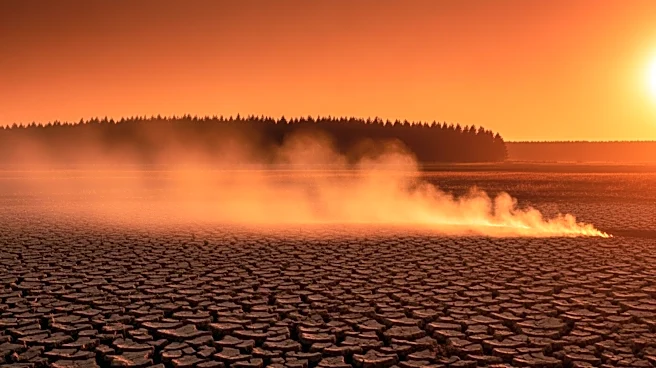
The Arctic region has experienced significant warming, with temperatures in the Nordic area reaching record highs. In July, temperatures soared above 30°C (86°F) in the Arctic Circle, marking a record-breaking
year for heat across Europe. This extreme heat has been linked to deadly wildfires that ravaged large parts of the continent, particularly affecting the Iberian Peninsula. The report highlights that Svalbard, a region within the Arctic, is warming at three to four times the average European rate. The heat has also led to a reduction in snow cover and glacier mass across Europe, with Iceland experiencing its second-greatest loss of glacier mass on record. The Greenland ice sheet lost 139 gigatons of ice in 2025, contributing to a rise in global sea levels.
Why It's Important?
The warming of the Arctic and the resulting extreme weather events have significant implications for global climate systems. The increase in temperatures and the subsequent wildfires pose a threat to ecosystems, human health, and infrastructure. The loss of ice and snow cover contributes to rising sea levels, which can lead to coastal erosion and increased flooding risks. The report underscores the urgency for governments to take swift action to reduce carbon emissions and implement climate resilience measures. Failure to address these issues could result in more frequent and severe climate-related disasters, impacting millions of lives and economies worldwide.
What's Next?
The report calls for the European Union to mandate climate risk assessments and integrate climate resilience into all policies. It also suggests increasing funding for protective measures and adaptation strategies. These include redesigning urban areas to incorporate more green spaces and improving evacuation warnings during heatwaves. The international community is urged to fulfill commitments made in 2015 to limit global warming to 1.5°C above preindustrial levels. Achieving this goal requires significant reductions in fossil fuel use and the removal of carbon dioxide from the atmosphere.
Beyond the Headlines
The Arctic warming and its consequences highlight the interconnectedness of global climate systems. The changes in the Arctic can have far-reaching effects, influencing weather patterns and ocean currents worldwide. The situation also raises ethical questions about the responsibility of industrialized nations to lead in climate action and support vulnerable regions. Long-term, the continued warming of the Arctic could lead to irreversible changes in ecosystems and biodiversity, emphasizing the need for immediate and sustained global efforts to combat climate change.