







What's Happening?
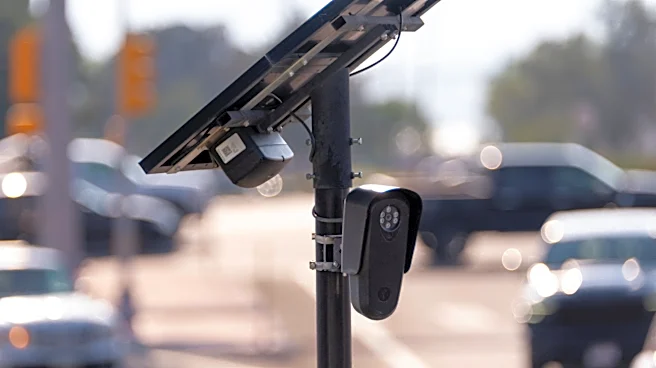
A former Apache Junction police officer, Joshua McDaniel, resigned after admitting to misusing Flock camera technology to track his wife. Internal affairs records obtained by Arizona’s Family Investigates detail the incident, which occurred on April 19.
McDaniel used his own computer to locate his wife in Casa Grande and subsequently contacted police there for a welfare check. He also enlisted the help of two telecommunications officers, who searched the system for his wife's license plate. Apache Junction Police Chief Mike Pooley confirmed McDaniel's misuse of the cameras and stated that an internal investigation was immediately launched, leading to McDaniel's administrative leave and eventual resignation. The records indicate McDaniel was experiencing marital issues and was concerned about locating his children, leading him to exercise 'poor judgment.' McDaniel and his wife have since divorced. The two dispatchers involved were also disciplined, receiving 30-hour and 40-hour suspensions, respectively, though both remain employed by the department.
Why It's Important?
This incident highlights significant concerns regarding the potential for misuse of surveillance technology, specifically Flock cameras, by law enforcement personnel. The case in Apache Junction is one of four Valley police departments audited for inappropriate use of these cameras, underscoring a broader systemic issue. The misuse of such technology for personal reasons erodes public trust in law enforcement and raises questions about privacy and civil liberties. It also brings to light the need for robust oversight and auditing mechanisms for advanced surveillance tools. Police expert Paul Cappitelli, with four decades of law enforcement experience, praised Chief Pooley's handling of the situation but emphasized that this serves as a 'wakeup call for the profession as a whole' regarding the use of Flock safety equipment. The lack of a comprehensive system for tracking and auditing to prevent abuse is a critical vulnerability that could have far-reaching implications for how these technologies are deployed and regulated across the country.
What's Next?
The Apache Junction case is likely to prompt further scrutiny of Flock camera usage and internal policies within police departments across Arizona and potentially nationwide. Police expert Paul Cappitelli suggested that this incident should lead to a re-evaluation of existing systems for tracking and auditing the use of Flock safety equipment. There may be calls for stricter regulations, enhanced training, and more rigorous oversight to prevent similar abuses. Departments might implement new protocols to ensure accountability and transparency in the use of surveillance technology. The disciplinary actions taken against the dispatchers, despite their continued employment, could also lead to discussions about the appropriate level of punishment for aiding in such misuse. This event could also influence public discourse on the balance between public safety and individual privacy in the context of advanced surveillance technologies.
Beyond the Headlines
The misuse of Flock cameras by a law enforcement officer for personal reasons delves into deeper ethical and legal implications concerning privacy and the boundaries of state power. The incident underscores the inherent tension between the intended purpose of surveillance technology—to enhance public safety—and its potential for abuse when wielded by individuals with access to sensitive data. It raises questions about the psychological pressures on officers and how personal crises can intersect with professional responsibilities, leading to breaches of trust. The case also highlights the 'slippery slope' argument often associated with surveillance, where tools designed for one purpose can be easily repurposed for others, sometimes with minimal oversight. This situation could catalyze a broader conversation about the need for independent oversight bodies, clear ethical guidelines, and robust legal frameworks to govern the deployment and use of advanced surveillance technologies, ensuring they serve the public good without infringing on fundamental rights.